You are about to leave the Capital Bank Website

DISCLAIMER: When you click Accept you will be leaving the Capital Bank (“the Bank”) website and are going to a website that is not operated by the Bank. We are not responsible for the content or availability of linked sites.

ABOUT THIRD PARTY LINKS ON OUR SITE
The Bank offers links to other third party websites that may be of interest to our website visitors. The links provided in our website are provided solely for your convenience and may assist you in locating other useful information on the Internet. When you click on these links you will leave the Bank’s website and will be redirected to another site. These sites are not under control of the Bank. The Bank is not responsible for the content of linked third party websites. We are not an agent for these third parties nor do we endorse or guarantee their products. We make no representation or warranty regarding the accuracy of the information contained in the linked sites. We suggest that you always verify the information obtained from linked website before acting upon this information. Also, please be aware that the security and privacy policies on these sites may be different than the bank’s policies, so please read third party privacy and security policies closely. If you have any questions or concerns about the products and services offered on linked third party websites, please contact the third-party directly.

USDA Loans for Assisted Living Facilities: 4 Ways to Leverage Financing

A USDA loan could be the key to financing assisted living facilities with business-friendly terms and potential for maximizing growth for the industry.

Market projections indicate that demand in the field is growing at a disproportionate rate to the number of operational facilities. In the United States, the 2022 assisted living facility market was valued at $91.8 billion, representing just under 1 million licensed beds. There are currently 70 million Baby Boomers, a large margin of which would not have access to a facility should they need it. The industry’s value is only expected to grow at a compound annual growth rate (CAGR) of 5.53% from 2023 to 2030.  Access to financing will be a factor to support the expected growth.

Key Background: Understanding USDA Loans for Assisted Living Facilities

The USDA Business and Industry (B&I) loan is our most frequently recommended loan for assisted living facility construction because of the unique terms and benefits of the loan.

  • Extended Repayment Terms: Dispersing your monthly payments over a longer repayment term can facilitate healthier cash flow and more power for continued growth. Your USDA B&I loan term will depend on how you choose to use the funds, and in some cases your available collateral, with a maximum of 30 years for real estate purchases.
  • Large Loan Sizes: The USDA authorizes loans of up to $25 million for eligible businesses and projects under the USDA B&I loan program.
  • Rural Economy Benefits: The USDA guaranteed loan programs were created to enrich rural economies through indirect support of entrepreneurs in the area. Their mission-driven loan program makes it possible for entrepreneurs to leverage loan benefits that are comparable to the best financing terms on the market.
  • Not Your Only Option: If your project is eligible for a USDA B&I loan, it’s typically the mostaffordable capital on the market for projects in areas defined as rural with 50,000 inhabitants or less. However, you may also qualify for other forms of government guaranteed financing with similar beneficial terms. A specialized lender can help you determine the most efficient way to finance your assisted living facility based on your financials and long-term goals.

Read More About How the USDA B&I Loan Program Works >

How to Leverage a USDA B&I Loan for Assisted Living Facilities

A key benefit of the USDA B&I loan program is its flexible use of proceeds, meaning that entrepreneurs have liberty to choose how they use their funds. This gives entrepreneurs the power to leverage the USDA loan in multiple ways. The following are four popular ways assisted living facility owners utilize USDA B&I loans to build, grow, and buy facilities.

1.       Assisted Living Facility Construction

The USDA B&I loan could help developers finance the construction of in-demand assisted living facilities with long term, affordable capital because of the loan’s extended term for real estate. Developers of large-scale construction projects like assisted living facilities can lock in up to a 30-year term (sometimes higher) through the B&I program. This is a highly competitive benefit of the loan program. The extended loan term disperses payments over a longer period to conserve cash flow and support continued growth over time.

2.       Debt Refinance for Existing Facilities

The 2020 OneRD initiative made refinancing with USDA B&I loans simpler, and made it possible to refinance up to 100% of existing loans with another lending institution through the B&I loan’s competitive extended terms  If the existing debt is owed to the lender applying for the loan guarantee, then the refinancing amount owed cannot exceed 50% of the total loan request.

It may be a good option for businesses that need to improve cash flow currently restricted by debt and is particularly useful for qualified assisted living facilities that need refinancing over a longer term than their current debt allows.

3.       Working Capital to Grow an Assisted Living Facility

How would you grow your facility if you had access to capital? Would you hire more staff, invest in a new website or software, or renovate? Maybe your facility needs more medical equipment, or updated technology.

Using a USDA B&I loan to access affordable working capital could put the resources in hand to make the most of upcoming opportunities for growth. Once the working capital portion of your financing package is funded, you’re at liberty to use the cash in the ways you need to grow your facility.

4.       Buying an Assisted Living Facility

The USDA loan can also be used to buy an assisted living facility for sale. Using a USDA B&I loan to acquire a facility can be business-friendly way to finance acquisitions, since the extended loan term and competitive rates can help you conserve cash flow throughout the loan term.

It’s a good idea to have the business you’d like to purchase in mind before engaging a lender for a USDA loan. This helps your lender put together a more efficient and accurate financing package based on the actual business you’d like to buy.

Eligibility for USDA B&I Loan for Assisted Living Facilities

If your project qualifies for a USDA B&I loan, it’s a good option to consider. The USDA B&I loan is typically recommended by our bank as one of the best options on the market for affordable assisted living facility financing. There are three big criteria your business needs to meet to qualify for the USDA B&I program:

1. The Project Is In a Rural Area.

The USDA B&I loan program is dedicated to supporting rural industry growth and job creation. To qualify, your assisted living facility needs to be in a rural community, typically defined as an area of less than 50,000 people.

Not sure if you qualify? Check your location’s category using this rural eligibility tool on the USDA’s website.

2. The Funds Are Used for an Eligible Purpose.

The loan proceeds must be used towards business activities that support the start, growth, or construction of your assisted living facility. Most often we see the USDA loan used to construct an assisted living facility and support initiatives like hiring additional employees and modernizing the facility.

3. The Business Meets Minimum Collateral Requirements.

The USDA requires that a business fully collateralize their loan amount. That is typically satisfied by real estate and/or heavy equipment. It’s this collateral requirement that makes the USDA B&I loan such a good option for assisted living facility construction or acquisition if the seller owns the real estate. The building and real estate associated with assisted living facility projects could very well satisfy collateral requirements that can otherwise be hard to meet in other industries.

Discussing Your USDA Loan Options for Assisted Living Facility Loan

The first step towards financing at Capital Bank is pre-qualifying. After you apply online, you’ll have an initial meeting with a member of the lending team to review the USDA B&I program and other options that may fit your financing need.

After an initial conversation, your lender may ask for some more financial specifics to guide your path forward. It’s a good idea to have your business plan, financials, and business tax returns up to date and accessible for these early stages of the USDA financing process.

If your project is not in a rural location, or if the program isn’t the right financial fit, you could still qualify for government guaranteed financing for assisted living facilities through a different agency, namely, the Small Business Administration. The SBA 7(a) loan is equipped with a variety of similar benefits as the USDA B&I loan and can sometimes be more cost effective for loans between $100,000 – $3,000,000.

Learn more about the SBA 7(a) loan program here. >

Since no two financing scenarios are perfectly alike, it is always recommended that you speak with a lender well versed in SBA and USDA business loan programs. A specialized lending team can walk you through your options to help select the program that makes the most sense for you and your business goals.

Ready to Discuss Your

Assisted Living Facility Financing Options?

Complete the form below to pre-qualify for USDA B&I financing at Capital Bank. You’ll hear from our team shortly to discuss your best options for financing your goals.

Step 1 of 7

Name(Required)

About Capital Bank | Capital Bank is proud to serve small business owners and entrepreneurs, helping them access affordable capital and financial services when they need it most. Since 1922, we’ve been creating long-lasting relationships with our customers based on old-fashioned values and future-thinking ideas. We’re guided by trust, respect, and honesty, and we’re driven by “what’s next”. Whether solutions come from surprisingly innovative tools or trusted products you’re familiar with, our single-focused purpose is your financial well-being.  We don’t just think outside the box, we think outside of the bank, so you can feel unquestionably confident banking with us.

Capital Bank is chartered in North Riverside, Illinois, and retains its operations in Raleigh, North Carolina.
SBA Loan vs USDA Business Loan

This article compares government-guaranteed financing options for rural businesses and explains methods for determining which type of financing is best for your goals.

USDA business loans are known to be an affordable financing solution for many rural businesses. However, to qualify for USDA commercial loans, a business must meet certain requirements that could make it difficult and sometimes more expensive to leverage a USDA loan over an SBA loan.

If USDA business loans are not a fit for your business, an SBA loan could be a comparable, affordable financing solution. Learn more about how to determine which is the best for your business.

What is a USDA Business Loan?

A USDA business loan is a commercial loan that’s guaranteed by the United States Department of Agriculture (USDA). This essentially means that the USDA will absorb a majority of the risk of the loan for qualified rural business owners so that banks can offer more attractive, business friendly terms. By doing so, the USDA supports more entrepreneurs with access to funding to grow their business, support economic growth, and create more opportunities throughout their industries.

There are different USDA loan programs for different types of businesses. USDA programs offer options for general business loans, as well as industry-specific loans for renewable energy, food supply, agriculture, and more. We see USDA business loans most often utilized for large-scale, long-term development projects with the majority of the funds dedicated to real estate or large equipment financing.

Learn More About USDA Business Loan Program Options >

What is an SBA Loan?

SBA loans are similar to USDA loans in the sense that SBA loans are also guaranteed by the government. The Small Business Administration (SBA) guarantees a percentage of the loan amount for qualified borrowers to help them access competitive bank financing even if they do not qualify for conventional loans.

Unlike most USDA loan programs, your business does not have to be in a rural area to qualify for an SBA loan. Additionally, SBA loans have different financial requirements than USDA loans that may make them a more efficient option for younger businesses seeking working capital or business acquisition financing to power their growth. SBA loans are also a good option for businesses that might otherwise qualify for a USDA business loan, but the overall financing need is lower.  For reference, the average USDA Business & Industry loan size from 2019-2021 was $4.3 million whereas the average SBA 7(a) loan size during the same period was $563,190 (SBA Atlas).

QUICK COMPARISON

USDA B&I Loan vs.

SBA 7(a) Loan

USDA business loans and SBA loan programs operate independently of each other, but both agencies are equipped with multiple government-guaranteed programs. Meaning, you could access attractive financing terms if you qualify to be used for many of the same things.

However, depending on your goals and financials, the deal structure available through one program may make it a better option for your business.

The key factors that help define which program is best for your business are:

  • Loan Amount
  • Available Collateral
  • Equity Investment
  • How You Plan to Use the Funds

Why Consider SBA Loans Over USDA Loans

Both USDA business loans and SBA loans offer similar benefits to entrepreneurs that are financing business expansions:

  • Extended Repayment Terms: Dispersing your monthly payments over a longer repayment term can facilitate healthier cash flow and more power for continual growth. Your loan term will be dependent on how you choose to use the funds, and in some cases collateral, ranging from a minimum of 7-10 years for working capital and a maximum of 30 years for real estate purchases.
  • Flexible Use of Proceeds: Both loan programs allow business owners a unique level of flexibility in how they choose to use the funds, from real estate purchases to equipment financing, hiring, working capital, and debt refinancing.
  • Entrepreneur-Friendly Eligibility: Government guaranteed loans like these were created to support entrepreneurs with more options outside of just conventional financing programs. If conventional business loans aren’t a good fit for your business, you could qualify for competitive financing under either a USDA loan or an SBA loan.

One rule of thumb to know: If you’re purchasing real estate or equipment using a loan of $3 million or more, and you qualify for the USDA programs based on location, equity injection, and collateral sufficiency, then the USDA loan could be the better option. If you are seeking a loan of less than $3 million dollars and/or are using the proceeds for mainly working capital, the SBA loan might be better to consider. Here’s why…

SBA Loan Pros: Longer Repayment Terms for Working Capital, Less Money Down, and Cheaper Closing Costs

You can use SBA loans and USDA loans for similar purposes, however, the differences in the loan programs’ terms may make the SBA loan the better option for your business. These are three primary benefits to leveraging an SBA loan over a USDA loan in this scenario:

Longer Repayment Terms for Working Capital

If you’re purchasing property with your loan, you may be eligible for the longest term available under either program, which can range from 25-40 years. However, if you are seeking working capital the SBA loan term will likely be longer than the USDA loan.

USDA loans offer up to a 7-year term for working capital. SBA loans are up to 10-years for working capital. The additional 3 years to your repayment term can have a significant impact on your monthly liquidity and cash flow.

Typically Less Money Down

The USDA requires businesses to meet certain equity thresholds from 10-25%, dependent upon number of years in business, of the total loan project costs to qualify for USDA financing.

Existing businesses (operating for 2+ years) could qualify for SBA expansion financing with as little as 0% down. However, as a general rule of thumb, the typical equity injection for SBA loans is approximately 10%. You can often attribute any large scale, significant purchases or recent investments you’ve made into your business into this figure.

Cheaper Closing Costs

The USDA loan typically requires a feasibility study of the borrowing entity. This is a program requirement that lenders must follow. Typically, if you are financing a loan in excess of $3 million, the cost of the study could be worth the loan’s benefits. However, if you are seeking a lower amount, the USDA route could be cost prohibitive due to the feasibility study, as well as other legal, appraisal, environmental review and guarantee fees paid by the borrower.

SBA Loan Cons: Personal Guarantee, Application Process, Funding Timeline

If the SBA loan sounds like it may be the better option for your financing, there are still a few hurdles to keep in mind, such as:

Personal Guarantee

The SBA requires that all business owners with more than 20% ownership to personally guarantee their own loan, which typically includes personal property and residences.

Application Process

The SBA loan application process is a document heavy process that can be overwhelming without the right preparation. Plan to dedicate time to your application, loan underwriting, and closing process to keep your application moving efficiently. You can get started by reading our best tips for the SBA 7(a) application here.

Personal Credit Scores

While the SBA does not set a specific threshold, the Agency states lenders must have “reasonable standards”.  In most cases, experienced SBA lending institutions will require anywhere from a 660 to 680 personal credit score minimum for all partners with 20%+ ownership in the borrowing entity.

Should I Use a USDA Business Loan or an SBA Loan for My Business?

Ask these questions to determine if an SBA loan would be a better fit for your business instead of a USDA business loan.

  • Where is the project located?

Most of the USDA business loan programs require businesses to be in an officially recognized rural area of 50,000 inhabitants or less. If your project is not in a rural location, you can go ahead and rule out most USDA business loans and begin focusing on SBA options.

Not sure if your project counts as a rural location? Check your business designation here.

  • How much do you need?

It is rare that our bankers would suggest the USDA business loan over the SBA loan for a business seeking less than $3 million in financing. There are sometimes exceptions, however, the USDA required feasibility study is often cost prohibitive to businesses with this financing need. In this case, an SBA loan may be a more efficient option.

  • How much equity do you have to invest?

Businesses are required to make an equity injection of  approximately 10-25% of their loan in order to obtain a USDA loan. If you’ve been in business for over 2 years that figure may be closer to 10%, but it’s often still higher than the typical SBA equity injection.

SBA loan equity injection requirements typically range from 0-10% depending on the age of the business and its financial history. The equity injection can take the form of recent investments into the business, large equipment purchases, cash at the closing table, or a combination of all three.

Try to estimate how much you’ve invested or plan to invest in your business. If you’ve been in business for less than 2 years and an equity injection of 20%-25% would place a burden on your ability to grow, you may want to consider the SBA loan.

  • How will you use the loan proceeds? Are you buying real estate?

While you can use the loan proceeds from both loan programs to accomplish similar goals, you may secure longer terms for real estate purchases under the USDA loan. Assuming you qualify in every other regard and your real estate can be used to secure the loan, it might be better to leverage the USDA loan. This loan would give you a 30-year term for real estate compared to the SBA’s maximum term of 25 years for real estate.

If you’re seeking a loan for working capital, it’s might make more sense to leverage an SBA loan. This loan program offers up to 10-year terms compared to the USDA’s maximum of 7-year terms for working capital loans.

It’s important to note that there is no one size fits all financing solution. In addition, SBA and USDA loan programs can be used in combination in certain cases assuming the business and financing request(s) are eligible under each of the programs.

Ultimately, the right financing is the one that gets you the resources you need on the right terms to accomplish your long-term goals. Before working with each business owner, we take the time to examine your unique goals, timeline, and financials to point you towards our recommended program for you and your industry.

As your experienced lender, our goal is to craft a creative financing solution that helps you reach your goals, improve your financial health, and grow into your full business potential.

Ready to Finance Your Business?

Get Started at Capital Bank

Step 1 of 9


About Capital Bank | Capital Bank is proud to serve small business owners and entrepreneurs, helping them access affordable capital and financial services when they need it most. Since 1922, we’ve been creating long-lasting relationships with our customers based on old-fashioned values and future-thinking ideas. We’re guided by trust, respect, and honesty, and we’re driven by “what’s next”. Whether solutions come from surprisingly innovative tools or trusted products you’re familiar with, our single-focused purpose is your financial well-being.  We don’t just think outside the box, we think outside of the bank, so you can feel unquestionably confident banking with us.

Capital Bank is chartered in North Riverside, Illinois, and retains its operations in Raleigh, North Carolina.

USDA Business Loan Success Stories: Financing for Biomass Power Plant

USDA business loans have helped thousands of rural businesses across the country start and scale operations while powering the growth of American industry. USDA business loans for renewable energies, farming, food production, and supply chain operations are recent focus areas for the USDA programs since they are aimed at creating jobs and modernizing rural economies for the next generation.

Hundreds of business owners have worked with Capital Bank’s Government Guaranteed Lending team to leverage USDA business loans as a springboard for their growth. How would you use a USDA business loan program for your next success?

Developers Constructed a Clean Energy Biomass Power Plant Using $34 Million in USDA Business Loans for Development Capital.

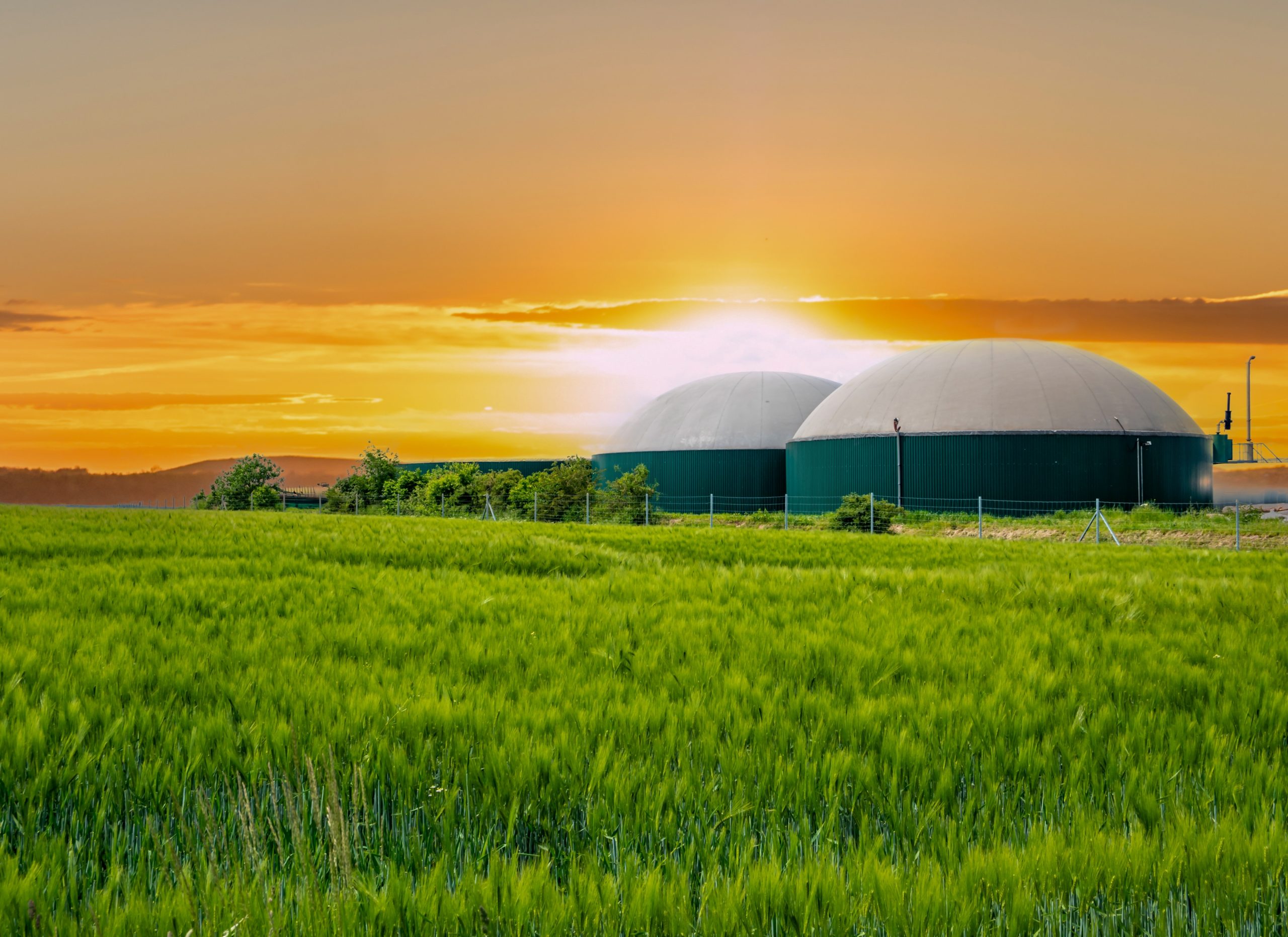
This North Carolina-based facility turns poultry biomass into power to provide clean energy derived from an underutilized waste by-product.  A $34 Million financing solution supplied the company with the funds to construct its facility and become one of a select few approved plants for the state of North Carolina.

The Opportunity: New Legislation Opened the Door for Bioenergy Investments

North Carolina’s 2007 Renewable Energy and Energy Efficiency Portfolio Standard opened the door for a select group of power plants to supply major energy companies in the region with mandated clean power credits. A significant percentage of those credits are required to be generated by animal waste, specifically, from poultry waste, among others. Since the law passed, the industry has struggled to fill that required carveout for clean energy produced from biomass.

The NC REPS biomass energy requirement not only increases the use of clean energy in the state, it also helps North Carolina tackle a complicated waste disposal problem. Poultry litter is a difficult organic material for feedstock operators to dispose. New technologies have made it possible for farmers to turn this waste by-product into a source of clean, renewable energy at scale.

Technological investments in renewable energies coupled with state-led initiatives created a unique opportunity for this developer to become a definitive leader in North Carolina’s renewable energy economy.

The Challenge: Accessing Affordable Renewable Energy Development Capital for Biomass Power Plant Construction

The equipment needed to convert biomass into power requires significant startup investments. This technology includes complex machinery and needs a highly skilled team behind it to get the facility up and running.

The company needed substantial funds to construct its plant and become one of the dominant companies to fill the immediate need for clean power. Ideally, that capital would be affordable, have an extended repayment term, and would be available to use before development broke ground.

The Solution: Biomass Power Plant Financing with Growth-Friendly Terms

The dedicated Renewable Energy Financing experts at Capital Bank structured a financing package that leveraged a combination of USDA business loans programs to provide this power plant and its partners with construction capital. These loan programs enabled the company to access the financing it needed on the right terms for its planned growth.

The project was eligible for two different USDA business loan programs based on its location and how the funds would be used:

USDA Business Loan Program Utilized

$9.0MM – Business & Industry Program (B&I)

$25.0MM – Rural Energy for America Program (REAP)

Total financing amounted to $34 Million over a 25-year term.

Check My Eligibility for Loan Programs
The Result: Powerful Project Financing for Renewable Energy Development

USDA renewable energy financing went to fund a plant capable of an output of 3 MWe of gross electrical power and 75 MMBtu/hour of thermal energy using one grate-fired biomass power boiler, a steam turbine generator, a steam-to-hot water heat exchanger, and auxiliary equipment.

This financing solution of USDA business loans enabled developers to build this facility on terms that laid the foundation for their long-term growth. They are now one of a select few plants in the region to provide major energy suppliers with the required clean energy credits, resulting in a win-win for North Carolina’s local agricultural and renewable energy economics.

What would you do with affordable energy development capital?

Check your eligibility for these USDA Business Loan Programs:

Step 1 of 8

Name(Required)

USDA Business Loan Success Stories: Community Facility

USDA business loans have helped thousands of rural businesses across the country start and scale operations while powering the growth of American industry. USDA business loans for renewable energies, farming, food production, and supply chain operations are recent focus areas for the USDA programs since they are aimed at creating jobs and modernizing rural economies for the next generation.

Hundreds of business owners have worked with Capital Bank’s Government Guaranteed Lending team to leverage USDA business loans as a springboard for their growth. How would you use a USDA business loan program for your next success?

Bethany College in West Virginia recapitalized its balance sheet with real estate acquisitions financed by USDA Community Facilities Loan Program.

Bethany College leveraged USDA financing to purchase parcels of real estate on its main campus in order to recapitalize its balance sheet and strengthen its financial position during a time of uncertainty for in-person academic institutions.

The Opportunity: Acquiring Real Estate as Fixed Assets

For more than 180 years, Bethany College has been a highly contemporary institution based on the tradition of the liberal arts. Bethany’s 1,300-acre campus is in the northern panhandle of West Virginia and features rolling wooded hills and a lush, green academic mall.

The College established “The Bethany Foundation” exclusively to promote and assist the educational services of Bethany College. The Foundation sought to strengthen the financial position of the College by purchasing real estate parcels on campus that the College used, but did not own, and therefore could not reap the benefits of listing as assets on its balance sheet.

The Challenge: Financial Security During a Time of Uncertainty For Academic Institutions

The pandemic had unforeseen impacts on higher education, temporarily shutting the doors of in-person classrooms and causing educators to question the long-term impacts on the format of the university classroom. The College was faced with an uncertain future for the enrollment numbers that their business model depended on.

The Solution: USDA Community Facilities (CF) Program

The CF Loan Guarantee Program provides financing up to $100 million for projects that support healthcare, public safety, education, and various other community facilities.  Eligible projects may include:

  • Covers costs for land acquisitions, professional service fees, and equipment.
  • Includes assisted living facilities, public buildings, schools, fire stations, rehabilitation centers, hospitals, and childcare centers.

Bethany College leveraged this program as an educational institution to access financing with growth-friendly terms. The loan program made it possible to purchase their real estate parcels with terms that benefitted their long-term growth.

USDA Business Loan Program Utilized

$34.6MM – Community Facilities (CF) Direct
$5.0MM – Community Facilities (CF) Indirect

Check My Eligibility for this Program

The Result: Stronger Financial Position and Safeguarded Jobs for Employees

The Community Facilities Program allowed the College to increase its liquidity position and combine various debts into a single loan, providing long-term financial stability for the College. As a result, management was able to save local jobs, reduce operating expenses and help the College survive the COVID pandemic operationally and financially.

What would you do with affordable capital?

Check your eligibility for the USDA Community Facilities Program:

Step 1 of 8

Name(Required)

USDA Business Loan Success Stories: Financing for Food Manufacturing

USDA business loans have helped thousands of rural businesses across the country start and scale operations while powering the growth of American industry. USDA business loans for renewable energies, farming, food production, and supply chain operations are recent focus areas for the USDA programs since they are aimed at creating jobs and modernizing rural economies for the next generation.

Hundreds of business owners have worked with Capital Bank’s Government Guaranteed Lending team to leverage USDA business loans as a springboard for their growth. How would you use a USDA business loan program for your next success?

Zilks Plus Resources increases food manufacturing capabilities with a USDA Food Supply Chain Guaranteed Loan.      

Zilk Plus, DBA ATX Specialty Foods, expanded their specialty food manufacturing facilities to scale their production and refinanced outstanding debt to increase their liquidity.

The Opportunity: Domestic Demand for Food Manufacturing

Demand for domestic food manufacturing has skyrocketed in recent years for a few reasons. More and more consumers are adding specialty health foods to their grocery carts, particularly those that are regionally produced and marked with ‘better-for-you’ labels like ‘organic’, ‘non-GMO’, and ‘gluten-free’ certifications.

Additionally, the pandemic’s impact on food manufacturing and food supply chains shifted the demand from goods produced overseas to food products made and packaged in the United States.

This demand created an opportunity for American businesses to serve more domestic clients while solving some of the inefficiencies caused by broken global links in the chain.

Already a successful of sauces, dips, spreads, condiments, and dressings for several regional restaurants in the Southwest market, Zilk Plus Resources had a unique opportunity to expand its contract manufacturing business and grow into a highly profitable Restaurant/Food Service Industry.

The company would be able to diversify its revenue and capture more of its market share if it could increase manufacturing capacity. Access to growth capital could help them make the most of the opportunity to dominate in a growing sector while playing to their strengths as an innovative manufacturer.

The Challenge: Securing Capital for New Equipment, Debt Refinancing, and Working Capital

Zilk Plus Resources was quickly reaching its capacity. The company needed over $4 million in new cooking and packaging equipment to keep up with its aggressive growth plans. The planned expansion was expected to handle growth resulting in up to $50-70 million in annual revenue.

Outstanding financial obligations made it difficult to access the funds needed to ramp up the expansion. The company still needed to invest in other lines of business throughout the expansion, and existing debt restricted access to capital that could have been used to fund the expansion.

The Solution: The USDA Food Supply Chain Guaranteed Loan Program

The USDA responded to food supply disruptions with the USDA Food Supply Chain Guaranteed Loan Program. This financing program was created to nurture domestic food manufacturing and distribution, fostering job growth while solving inefficiencies in outsourced food production that threatened inventory shortages across the country.

This loan program is eligible to be used for any business that is starting or expanding their operations to support middle-of-the-chain activities. Facility expansions like the one Zilk Plus Resources planned are eligible under the USDA Food Supply Chain Guaranteed Loan Program.

Capital Bank’s USDA lending team helped the company access $4.1 million in food manufacturing financing.

USDA Business Loan Program Utilized
Learn More
The Result: Increased Capacity Helped Secure Their Place as A Leader and Dominant Manufacturer in the Industry

The $4.1 million helped finance the expansion of an existing contract manufacturing facility, including the purchase of a significant amount of specialized equipment. Funds were also used to refinance existing debt, helping the business free up capital so that they could re-invest back into their growth.

Ultimately, the loan helped this business capitalize on an opportunity to grow its market share while freeing up cash flow for the business to pursue additional ventures as it grew.

What would you do with affordable capital?

Check your eligibility for the USDA Food Supply Chain Guaranteed Loan Program:

Step 1 of 8

Name(Required)

USDA Business Loan Success Stories: Financing for Cold Storage and Food Processing

USDA business loans have helped thousands of rural businesses across the country start and scale operations while powering the growth of American industry. USDA business loans for renewable energies, farming, food production, and supply chain operations are recent focus areas for the USDA programs since they are aimed at creating jobs and modernizing rural economies for the next generation.

Hundreds of business owners have worked with Capital Bank’s Government Guaranteed Lending team to leverage USDA business loans as a springboard for their growth. How would you use a USDA business loan program for your next success?

Cardinal Foods scaled food processing and cold storage facilities with USDA financing.       

Cardinal Foods, a fruit and vegetable processing company, leveraged a $17+ million USDA Business & Industry (B&I) Loan to add a significant amount of equipment to their facility, expand their building footprint, and improve the efficiency of the regional supply chain.

The Opportunity: Food Processing that Shortens the Route from Farm to Table

Cardinal Foods offers innovative solutions for processing and transporting fruits and vegetables, and supplies food manufacturers with fresh, raw ingredients. Their logistics and cold storage solutions help raw foods retain freshness and longer shelf life on their routes from farm to table.

Local demand for food processing and cold storage services was growing steadily in North Carolina at the time. Many raw foods were being shipped out of North Carolina to be processed in other states before returning to local grocery store shelves.

Cardinal Foods had an opportunity to grow its client portfolio with local farms and businesses if it could scale its processing capacity. Additionally, more businesses would be able to keep more of their operations in-state, solving logistical inefficiencies in the region that impacted numerous Southeastern grocery stores.

The Challenge: Business-Friendly Financing for Food Processing and Cold Storage

The business needed a significant amount of capital to power its growth and scale its facilities. Cardinal Foods needed to expand its existing footprint by 56,000-sf and add substantial new equipment to keep up with the demand for its services. Additionally, the business sought to refinance a short-term loan previously used for equipment purchases to improve the company’s liquidity.

The Solution: The USDA B&I Loan Program

Cardinal Foods worked with the USDA lenders at Capital Bank to finalize a $17+ million financing solution on business-friendly terms to power their growth long-term. The loan program allowed Cardinal Foods to access funds that could be used for construction, equipment purchases, and refinancing debt.

USDA Business Loan Program Utilized

$17.66MM – Business & Industry Loan Program (B&I Loan)

Learn More

The Result: Facility Expansion and Long-Term Growth Opportunities

The facility expansion enabled Cardinal Foods to capitalize on opportunities to grow its customer base while strengthening the regional food supply. Because of the loan’s extended terms and wide range of eligible uses, Cardinal Foods was able to finance its expansion and improve liquidity by refinancing existing short-term debts.

The growth of their process facility in Burgaw, North Carolina supported job creation in the region while streamlining supply chain inefficiencies. Cardinal Foods’ local solution enabled North Carolina growers to process crops locally and opened access to global markets that were previously limited, creating more opportunities for the company, its partners, and the rural economy at large.

What would you do with affordable capital?

Check your eligibility for the USDA B&I Loan Program.

Step 1 of 8

Name(Required)

Buy a Book of Business for Sale: Where and How to Buy One

These methods can help you find, vet, and buy a book of business for sale.

Buying a book of business for sale can help you start or scale your operations relatively quickly compared to starting from the ground up. This article covers recommend practices for how to find a business for sale, how to understand its price, and how to finance a business acquisition.

Where to Find a Book of Business for Sale

  • Your Network

Business is all about who you know. You may be surprised by how many people within your own network could be a resource to find a book of business for sale. This approach to finding a business requires more patience on your side but could help you feel confident in your decision in the long run. Acquiring a business using a personal tie may facilitate more trust in the process once you’re ready to buy.

Retirement and relocation are two common reasons entrepreneurs decide to sell healthy, profitable businesses. Start thinking about who you know in these stages of life. Do some targeted outreach to start getting your name out there as a potential buyer.

Even if you don’t know anyone ready to sell their book of business right now, you could become the first person they think of when they are ready to transition their business.

  • Online Databases and Marketplaces

Databases like Flippa, BizBuySell.com, LoopNet, and BizQuest help business sellers and buyers connect online. Potential buyers can use the marketplaces to search through businesses for sale in their region, desired industry, and budget.

There are also industry-specific online databases that could help you narrow your search faster. For example, Agency Equity lists insurance agencies for sale throughout the US. If you’re looking to buy a financial practice for sale, you might consider an online database like this one hosted by FP Transitions.

In addition to helping you find a business for sale, digital marketplaces are also valuable research tools. Use online databases to understand your market from a high-level point of view to strengthen your ability to make the most competitive offer.

  • Franchisor Networks or Captive Agency Networks

Interested in buying a franchised business for sale, or a book of business from another captive agency owner? You may be able to tap into the franchise’s network of business owners to help you find a franchise or book of business for sale near you.

A couple of things to consider as you’re researching a franchised business to buy: is this a turn-key operation? Are there extra qualifications or training owners need to complete before operating the franchise or agency under the captive model? What are your financing options? Is the franchise or agency agreement eligible for SBA loans?

No two franchises are exactly alike, but asking the seller these questions can be a valuable step to understanding if the franchise or captive agency book of business is a good fit for you.

  • Work with a Broker/Consultant

A business broker may help you find a business for sale relatively quickly. The job of a broker is to move businesses between parties, so they have an ever-evolving roster of businesses at their fingertips to help connect you to the right one. A broker may incur significant fees for facilitating the transaction. Be sure to ask about their fee structure before you begin working together to avoid any surprises. 

Pre Qualify in Minutes

Pre-qualify for financing to buy a book of business for sale using SBA loan programs.

How to Value a Book of Business for Sale

Once you’ve found a business for sale, evaluate the worth of the investment. We do not recommend buyers acquire a new business before understanding how and why the business is priced.

How much does a business for sale cost? That depends on many factors, including the business:

  • Revenue
  • Profit / Loss Statements
  • Cashflow
  • Industry Outlook

There are a few different ways to calculate the market price of a book of business for sale. One objective (if not overly simple) method is to calculate a basic Return On Investment (ROI). You can calculate ROI by subtracting all expenses from the annual net profit.

As a financing partner, we often look at the business EBITDA: earnings before interest, taxes, depreciation, and amortization. This calculation accounts for more long-term costs that wouldn’t be reflected in an ROI calculation.

Some businesses are valued using a standardized industry-based multiple, prior performance, and projected performance. 3rd party business valuation services typically appraise businesses using this type of calculation.

At Capital Bank, we typically require a 3rd party valuation for business acquisitions. This appraisal provides enhanced transparency and pricing standardization from an objective source. It helps both the financing partner and buyer understand the unbiased value of the business that’s being acquired.

Get Ready to Buy a Book of Business for Sale

Acquiring a business is typically a process for both the seller and the buyer. We recommend these 4 steps to help you prepare financially for the investment.

1. Determine Your Budget.

Review your liquidity, assets, and current and future financial obligations. Decide how much debt you’re willing to take on, and on what terms.

This is the point in the process of buying a business to start thinking about financing. Leveraging business acquisition loans with business-friendly terms could help you close a deal while maintaining your financial goals.

Most often we help entrepreneurs leverage Small Business Administration (SBA) financing to secure loans with longer amortization periods to give them less restrictive monthly payments and a healthier cash flow. Read more about the loan program we recommend for most business acquisitions we finance.

Finance Business Acquisitions Without Restricting Cash Flow.

Learn More about the SBA Loan Program.

2. Negotiate with the Seller.

Approach negotiations with a well-rounded idea of what you want from the seller of the business. Think outside of just the listing price. Maybe you’d be willing to pay more if the seller stays on to help you transition, includes additional assets in the purchase, or if they agree to seller financing. These terms can make a deal more convincing if the seller does not want to budge on the listing price.

3. Secure an LOI or Purchase Agreement.

A Letter of Intent (LOI) or Purchase Agreement is a document that outlines the intention between two parties to do business with each other. This is not a legally obligating document, but it would typically outline the broad terms, conditions, and expectations of each party to complete their end of the deal.

An LOI is particularly important if you plan to utilize seller financing to buy a business. This letter helps your financing partner and third parties involved plan for a more efficient, seamless loan application process.

4. Apply for Financing with a Formal Application.

If you decide to finance the business acquisition, get started on your business financing application with a financial institution that offers the loan program you’d like to leverage.

As a preferred lender by the SBA, most of our clients finance business acquisitions through the SBA 7(a) loan program. We typically start this process with a pre-qualification. This quick check for eligibility helps you determine if the SBA loan is right for your goals before you dive into the formal detailed application.

Buying a business for sale is a milestone in any entrepreneur’s career. With the right approach, you can find a business for sale that fits your professional goals and your financial targets, too.

Pre-Qualify for Financing to

Buy a Book of Business for Sale

Step 1 of 8

How will you use the funds?(Required)

About Capital Bank: Our 100+ year legacy as a community bank is centered on building long-lasting banking relationships. We’ve relied on old-fashioned values and innovative solutions to serve our customers for the past century, building the foundation to continue serving the next generation. Our single focused purpose is your financial well-being.

Capital Bank is a preferred SBA lender. The Bank is chartered in North Riverside, Illinois, and retains its operations in Raleigh, North Carolina. Our business financing and banking services are available to businesses nationwide.

SBA Working Capital Loans: How to Leverage the Affordable Capital

  • The SBA 7(a) Loan Program offers attractive terms for entrepreneurs in the process of growing their businesses.
  • The 10-year repayment term for the SBA loan is a key factor that makes this loan a good option for working capital.
  • Qualified business owners can leverage SBA loans to secure working capital with business-friendly rates. The capital can be used at the business owner’s discretion, giving them flexibility in how they choose to use the funds.

It’s been said that you must spend money to make money. But where should the money come from to fund your next phase of growth? Your own savings? Should you get another line of credit? Or maybe re-invest current profits?

The SBA loan is one of our most recommended loans for business owners that are serious about re-investing in their business. You’ll often see SBA loans referred to as ‘affordable capital’. In this article, we’ll walk through the reasonable, growth-friendly terms that make the SBA 7(a) loan a good working capital loan option for those that qualify.

The SBA working capital loan is best utilized by strategic entrepreneurs that are ready to grow long term with ‘healthy’ debt. This financing solution is not meant to be a band-aid for poorly performing businesses. Rather, the SBA loan can be a springboard for growing companies ready to invest in their businesses on more favorable terms.
– Director of Financial Advisory Lending, Robert Forslund

What Are SBA Working Capital Loans?

The Small Business Administration created a series of loan programs for small business owners, referred to as SBA loans. The most popular is the SBA 7(a) loan program, which authorizes government-guaranteed business loans of up to $5 million for qualified businesses.

SBA loans can be used for a variety of business expenses related to starting, growing, or building a business. Many entrepreneurs choose to use their SBA loan for working capital. By doing so, business owners can tap into the unique entrepreneur-friendly benefits of SBA loans while accessing affordable capital that can be used to accomplish their business goals.

Why are SBA Working Capital Loans Called ‘Affordable Capital’?

It’s likely that you would apply for an SBA 7(a) Loan as your SBA working capital loan. This loan’s terms include an extended 10-year repayment term. This longer amortization period is a major factor in classifying the loan as ‘affordable capital’ because of its impact on your monthly cash flow.

The SBA loan’s 10-year term is longer compared to conventional business financing options, which can reduce your monthly payment amounts by distributing those payments over a longer period.

Let’s look at a hypothetical example.

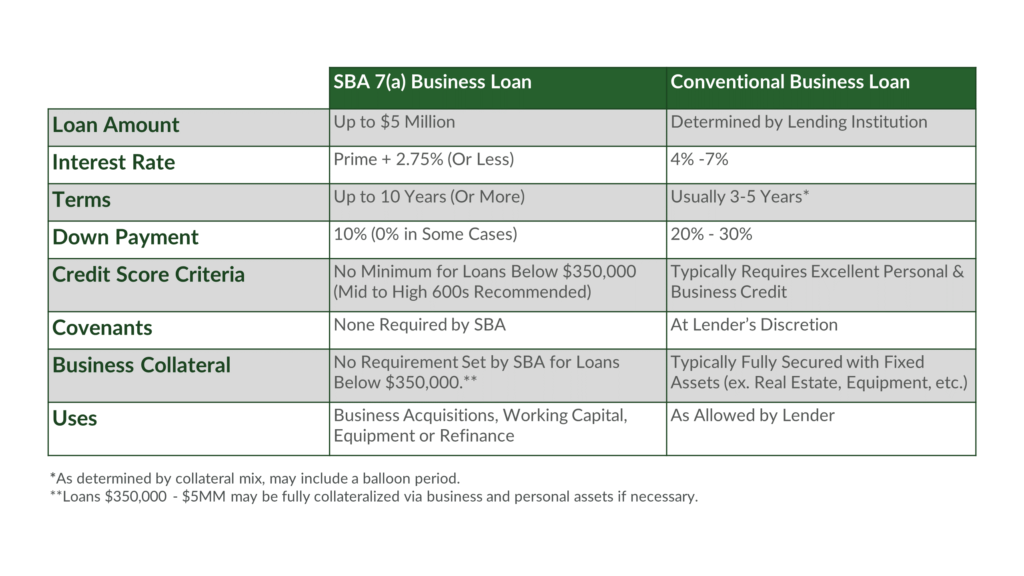
Say you were borrowing a gross loan amount of $300,000. You have the option of applying for an SBA working capital loan or a conventional business loan.

The SBA loan’s term is 10 years. While repayment terms vary from loan to loan, a conventional business loan term ranges from 3-5 years on average. We’ll assume this conventional business loan is a 5-year term.

Let’s set the conventional business loan’s interest rate at a conservative 7.0%. Interest rates for the SBA loan are variable and set according to the Wall Street Journal Prime Index (typically WSJ + a spread between 0 and 3%). We’ll assume the rate of the SBA loan is 9.0% for the purpose of this example.

Even with a higher interest rate, the SBA loan’s term lowers the monthly payment of the working capital loan by $2,140:

chart of estimated monthly payment sba loan vs conventional loan

Notably, there are also no pre-payment penalties for SBA 7(a) loans with more than a 15-year term. Business owners have the option to make larger payments upfront (should they choose) without incurring fees. No penalties mean more liberty in how you choose to manage the debt long term.

What About SBA Loan Closing Costs?

Another benefit of the SBA working capital loan: it gives entrepreneurs the option to fold closing costs into the loan proceeds. By doing so, borrowers avoid fronting cash out of pocket for closing fees. The costs are bundled into the loan and financed along with the working capital over that 10-year term, helping the borrower retain their liquidity at closing. Capital Bank does not charge the borrower a packaging fee for closing an SBA loan. This packaging fee can often be $2,500 per loan.

How Do SBA Working Capital Loans Compare to Other Options?

There are multiple business loan alternatives to secure working capital for your business. However, these alternatives may come with significant opportunity costs. Though sometimes faster paths to capital, the terms of business loan alternatives are often more restrictive than even conventional loan options.

Two popular alternatives to business loans for working capital are:

  • Merchant Cash Advance:

Merchant Cash Advance (MCA) is not a traditional business loan. It’s essentially an advance lump sum in exchange for future profits + fees. These have very short terms and often weekly payments, which can cause significant strain on business cash flow.

  • Business Lines of Credit:

A business line of credit is often an unsecured line of credit that functions like a credit card to help small business owners. This option is typically used for seasonal cash flow needs or to supplement longer cash conversion cycles.

Compared to MCA debt or a business line of credit, the SBA working capital loan offers:

  • Less frequent payments. MCA debt may require payments weekly, sometimes even daily. The SBA loan’s monthly payments distributed over a 10-year term are often less impactful on business cash flow than MCA or business line of credit payments.
  • Potentially smaller payments. Thanks to the extended term and fully amortizing loan, the payments are usually smaller when compared to a similarly sized non-SBA loan, helping entrepreneurs maintain more sustainable cash flow.
  • No pre-penalty fees. Unlike other debts, there are no penalties for paying off the loan early should your business benefit from resolving the debt before the 10-year term is complete.

The net impact of the loan is often healthier cash flow month to month even as borrowers pay back their working capital loan.

Who Can Leverage SBA Working Capital Loans?

Many different types of businesses qualify for SBA working capital loans. However, collateral-light service-based businesses are uniquely positioned to leverage the benefits of an SBA loan for working capital.

Service-based businesses like insurance agencies, financial practices, law firms, consultants, architectural firms, and even some medical practices may find it more expensive to access working capital with a conventional secured business loan. The SBA’s guarantee enables these service-based firms to close on a similarly sized working capital loan with better terms than some conventional financing options.

Should I Get an SBA Working Capital Loan?

There is not a one size fits all financing option. The right solution for your business is the one that puts resources in your hands at the right time to accomplish your goals without restricting your growth long term.

Is the SBA working capital loan the right solution? Use these general guidelines below to assess if SBA financing could be a better fit for your business over other alternatives to secure working capital:

You might consider using an SBA working capital loan if you…

  • Already have an idea of how you would use the extra cash on hand to grow your business.
  • Meet the SBA loan eligibility requirements and credit standards.
  • Have time to invest in the application process to secure the long-term benefits of SBA-financed working capital.
  • Understand the impact on your monthly cash flow.

You may not want to use an SBA working capital loan if you…

  • Need immediate cash and cannot wait for a loan to process.
  • Have low or non-existent credit, or your credit needs repair.
  • Have not yet registered your business, or are a startup (in operation for less than 2 years).
  • Could secure reasonable financing terms through another loan option.

Apply for an SBA Working Capital Loan

To get started with the SBA loan application process, check your eligibility using our online pre-qualification form. A lender will reach out to discuss your financing options and your next steps to funding:

Step 1 of 8

How will you use the funds?(Required)

About Capital Bank: A financing partner should reciprocate the level of trust you’ve built around your business. With a 100-year+ community banking history, Capital Bank works with entrepreneurs across the US to grow their businesses with proven financial solutions. Capital is a preferred SBA lender that has authorized over $550 million in SBA financing for entrepreneurs across the country.

Whether you’re interested in buying a business, facilitating growth without restricting cash flow, or getting a better interest rate on your existing loan, our team of financing experts is here to help you seize the opportunity.

50 Ways to Use an SBA Loan

  • SBA loans are a business-friendly financing option created by the U.S. Small Business Administration.
  • There is a wide range of eligible uses for an SBA loan, which gives entrepreneurs more power over how to use the borrowed funds.
  • This list of 50 ways to use an SBA loan is just the beginning. With affordable capital, the possibilities are wide open.

How would you grow your business with extra capital on hand?

That’s the question when it comes to Small Business Administration (SBA) 7(a) loans. These loans were created for entrepreneurs so that American businesses have access to the support they need to succeed in the modern economy.

SBA loans come with unique business-friendly terms and can be used in multiple ways to start, grow, or build a business. At Capital Bank, we’ve helped thousands of entrepreneurs access capital through the SBA 7(a) Loan Program to accomplish their business goals and prepare for future success.

This article lists 50 ideas for how to leverage SBA financing to take your business to the next level.

SBA loans help entrepreneurs across America achieve their business goals while improving their financial health. Within the scope of growing your business, there is almost infinite potential with affordable capital made possible by SBA financing.

Check Your Eligibility

What Can SBA Loans Be Used For?

SBA loans can be used for a wide range of business growth initiatives. These government-guaranteed loans can be used for any activity related to starting, growing, or building your business. The flexible eligible uses of proceeds enables business owners to have a high level of control over how they choose to use funds.

Can SBA Loans Be Used For Personal Use?

Short answer: No. The Small Business Administration’s loan programs were created in support of entrepreneurs and their businesses. Keyword: businesses. While you may be personally involved with your business operations, the funds from your loan must still be used for direct business-related expenses. Not your personal expenses.

Here are 50 ways you can use your SBA loan…

Start Your Business

SBA loans can be used to finance the costs associated with starting a business, such as purchasing equipment, renting a facility, and hiring employees. Use an SBA loan to…

1.Acquire a business.

2. Hire your first employee.

3. Launch a marketing and PR announcement.

4. Fund a grand opening campaign.

5. Invest in branding and logo design.

6. Buy office space instead of leasing.

7. Purchase service vehicles.

8. Purchase office furniture.

9. Purchase inventory.

Grow Your Business

SBA loans can be used to fund the expansion of a business, such as opening a new location or adding additional employees. Use an SBA loan to…

10. Hire consultants or third-party partners to develop your business.

11. Buy a second book of business.

12. Invest in customer experience improvements.

13. Hire new employees to increase service capacity.

14. Invest in employee benefits to retain employees.

15. Open a second location.

16. Invest resources into an influencer marketing strategy.

17. Build and implement employee training programs.

18. Access working capital to balance busy and slow seasons.

19. Refinance Merchant Cash Advance debt, business lines of credit, or high-interest credit cards.

CASE STUDY

Refinancing Debt with an SBA Loan

The Company: May Global Business Group is a consulting and trading company in the specialty metals industry.  The Company offers consulting services related to the silicon metal industry, while also buying and selling metal materials to customers around the world.

The Problem: Before engaging Capital Bank, May Global Business Group had two outstanding loans, both with interest rates exceeding 20%.

The Solution: To consolidate this debt and secure a lower monthly rate, May Global Business Group received an SBA 7(a) loan that offered them a substantially lower interest rate.

The Results: Reducing their loan interest expense allowed them to improve cash flow and increase their bottom line.

Modernize Your Business

SBA loans can be used to fund renovations or improvements to a business, such as upgrading equipment or improving a facility. Use an SBA loan to…

20. Renovate office space.

21. Update point of sale technology.

22. Scale e-commerce efforts and online sales.

23. Purchase or upgrade your tech-stack to automate your processes.

24. Pay relocation costs to move your operation.

25. Convert manual service stations to automated ones.

26. Invest in “green” Initiatives.

27. Perform R&D for new products.

28. Launch a new product line.

29. Rebrand your business.

Franchise Your Business

Use an SBA loan to get your franchise off the ground, or transition to a new franchise owner. Use an SBA franchise loan to…

30. Pay franchise fees and royalties.

31. Refit a commercial space for a franchise.

32. Lease a commercial space.

33. Ramp up social media and marketing budgets for the franchise.

34. Pay an attorney or professional service firm to consult on legal agreements.

35. Cover payroll while your franchise gains traction.

36. Launch a new website.

37. Onboard a new team.

38. Pay for your team to travel to franchise conferences.

39. Pre-qualify a buyer to help speed up the sale of your franchise.

40. Hire a consultant to help increase a business valuation.

41. Buy an existing franchise business for sale.

Start, Grow, or Build Your Business.

How Franchise Owners

Use SBA Loans.

Small Business Administration Loan Programs give entrepreneurs the power. You choose how to use the funds to grow your business.

  • Purchase a Franchise
  • Outfit a Commercial Building
  • Hire and Train Employees
  • Access Working Capital in the Off Season
  • Purchase or Lease Equipment

Build Your Business

SBA loans open the door to build your business from the ground up. Use an SBA loan to…

42. Build your first brick-and-mortar location.

43. Build a second location.

44. Pay for building materials.

45. Purchase warehouse or storage space.

46. Purchase commercial real estate.

47. Pay contractors and specialty construction costs.

48. Cover expenses in the event of construction delays.

49. Account for unexpected building expenses.

50. Renovate a commercial property for your business.

So, what would you accomplish with affordable capital? Start turning today’s goals into tomorrow’s success story. Use the form below to pre-qualify for an SBA loan. A financing expert for your industry will reach out to schedule a time to discuss your goals and the next steps to financing.

Pre-Qualify in Minutes

Step 1 of 8

How will you use the funds?(Required)

The SBA Loan Process: From Application to Funding

Walk through the SBA loan process at Capital Bank. Learn how to prepare for every stage of the loan pre-approval process.

Small Business Administration (SBA) loan programs are business-friendly loan programs made to help entrepreneurs grow their businesses with affordable financing. The loan programs’ unique benefits make them a great option for businesses that may struggle to find reasonable financing elsewhere. 

The detailed SBA loan application and pre-approval process makes it possible to offer these entrepreneur-friendly benefits. It’s a time-intensive process, but for those prepared to go through the application, the payoffs could be well worth the time that’s invested.

How Long is the SBA Loan Process?

The SBA loan process generally takes 60-90 days. However, your SBA loan application timeline depends on the size of the loan, what you’re using the loan for, and how prepared you are to go through the process.

For example, a working capital SBA loan of ~$350,000, the SBA loan process is estimated to take approx. 60 days. That’s assuming you have all your documentation in order and are quick to address any questions that come up during underwriting.

 Loans used to do things like purchase real estate, fund construction, or buy an existing business will take longer because of the additional documentation involved (a good rule of thumb, the more 3rd parties involved in the process, the longer it will take to get SBA authorization.)

You can make the SBA loan application process move as quickly as possible if you’re prepared with all of your documentation up front, and are prepared to work with your lender throughout the SBA loan application process.

Below, we walk through the 5 Phases of the SBA Loan Application and Pre-Approval Process at Capital Bank:

The SBA Loan Application Process:

1. Pre-Qualify for an SBA Loan

2. Get Pre-Approved through your SBA Lender

3. Collect Your Documents for SBA Underwriting

4. Package and Close Your SBA Loan

5. Access SBA Loan Funds

1.     Check Your Eligibility for SBA Loans

First, submit a brief questionnaire with a few high-level questions about your business. The pre-qualification questionnaire quickly determines if you meet the Small Business Administration’s baseline eligibility requirements for loan programs. These questions ask about your business history, how you intend to use financing, and where you’re located.

A lender will follow up with you before you submit a formal SBA loan application. They’ll talk with you one-on-one about your answers and your financing options based on your unique business goals.

This pre-qualification process helps streamline your application by quickly determining if the SBA loan application process is an efficient solution for your business. If it’s not, your lender will get you on the right path to financing that much faster.

Your Contact During this Stage: often you’ll work with a Business Development Officer at your bank or lender to check your eligibility.

2.     SBA Loan Application Pre-Approval  

The SBA pre-approval process is meant to examine your financial position and eligibility for an SBA loan based on your credit score, global cash flow, business history, and financial outlook. It takes the pre-qualification information even further to determine the specifics of your loan package. This includes a proposed loan amount available through the program based on your financial stats.

You’ll need these documents to get pre-approved for an SBA loan:

  • 3 Years of Business and Personal Tax Returns
  • Business Interim Financials (within 120 days)
  • Organizational Documents (ex. Operating Agreements, Bylaws, etc)

SBA Pre-Approval requires more documentation at this stage because the lender wants to ensure you’re set up for success before sending you to underwrite. The more you supply at pre-approval, the easier underwriting will be. It keeps your loan moving efficiently at every stage of the SBA loan application process.

Your Contact During this Stage: you’ll most likely be working with your Business Development Officer and your Bank’s internal team for SBA loan pre-approval.

3.     SBA Loan Underwriting Process

The SBA loan underwriting process is one of the most time-intensive stages of the loan application. This is the stage where you work hand in hand with the underwriting team to prepare your application for the bank’s credit review process.

First, your underwriting team will send you a list of any outstanding documents they’ll need based on your specific loan criteria. You’ll collect any remaining financial statements for your guarantors of the loan, leases and agreements, collateral valuations, and additional SBA paperwork that you will need for underwriting.

Next, the bank’s credit team will review your history in the form of a credit memo. this is the stage where the bank will perform a hard credit pull and ask you a few more specific questions about your business’s financial performance.

The underwriting process could take up to two months if you have lots of fixed assets, multiple businesses involved in the transaction, or a more complex loan package. However, if you are prepared with your documentation, the SBA underwriting process could take less than 30 days.

Your Contact During this Stage: you’ll work with a dedicated Underwriting team comprised of bank employees and (possibly) a lender service provider. Your Business Development Officer is also always ready to answer questions about your loan application.

4.     SBA Loan Packaging and Closing

Once you’ve made it through Underwriting, it’s time for your SBA loan to be packaged for closing. You’ll often work with your bank’s lender service provider to gather and verify the final details before your SBA loan is funded.

A lender service provider is a company that specializes in processing complex loans like the SBA loan. They work on the bank’s behalf to help move your SBA loan application through the process.

Our lender service provider will send you a checklist for additional documents needed for SBA authorization.

The SBA Packaging & Closing Document Checklist includes:

  • Business valuations
  • Appraisals on properties
  • Life insurance documents
  • Escrow documents
  • SBA form 1919
  • Title work

The Packaging & Closing stages is also when the lender service provider engages 3rd party partners like your attorneys and closing council.

Ideally, the SBA loan packaging process takes approximately 60 days. This stage is very detail-oriented, so your loan is airtight for closing. To keep the process moving efficiently, prepare to be on call to promptly answer any questions that the lender service provider has about your closing documents.

After Closing, you’ll review and sign Co-sign package before moving on to the funding stage.

Your Contact During this Stage: you’ll work with a dedicated Underwriting team comprised of bank employees and (possibly) a lender service provider. Your Business Development Officer is also always ready to answer questions.

5. SBA Loan Funding and What Comes Next

If you’ve made it this far, your loan is ready to fund! How you receive the loan amount will depend on your loan proceeds.

Working capital loans will deposit directly into your accounts. If you are using the SBA loan to buy a business or pay off debt, the SBA requires that the funds are sent directly to the 3rd party who will be receiving them.

Your Contact During this Stage: After your SBA loan is funded, you’ll be introduced to a payment servicer. This is your main contact for the duration of your loan repayment period. They’ll answer any questions about making payments, and will check in with you yearly to keep your records and file up to date throughout the life of the loan.

At Capital Bank, our goal is to make the SBA loan application process as transparent as possible. We believe in empowering our business owners with the information and tools they need to achieve their goals. Because when small business succeeds, we all do.

If you’re ready to get the SBA loan application process started, use the form below to check your eligibility.

Check My Eligibility for SBA Loans:

Step 1 of 8

How will you use the funds?(Required)

About Capital Bank: A financing partner should reciprocate the level of trust you’ve built around your practice. With a 100-year+ community banking history, Capital Bank works with entrepreneurs across the US to grow their businesses with proven financial solutions.

Whether you’re interested in purchasing another book of business, facilitating growth without restricting cash flow, or getting a better interest rate on your existing loan, our team of industry experts is here to help you seize the opportunity.