You are about to leave the Capital Bank Website

DISCLAIMER: When you click Accept you will be leaving the Capital Bank (“the Bank”) website and are going to a website that is not operated by the Bank. We are not responsible for the content or availability of linked sites.

ABOUT THIRD PARTY LINKS ON OUR SITE
The Bank offers links to other third party websites that may be of interest to our website visitors. The links provided in our website are provided solely for your convenience and may assist you in locating other useful information on the Internet. When you click on these links you will leave the Bank’s website and will be redirected to another site. These sites are not under control of the Bank. The Bank is not responsible for the content of linked third party websites. We are not an agent for these third parties nor do we endorse or guarantee their products. We make no representation or warranty regarding the accuracy of the information contained in the linked sites. We suggest that you always verify the information obtained from linked website before acting upon this information. Also, please be aware that the security and privacy policies on these sites may be different than the bank’s policies, so please read third party privacy and security policies closely. If you have any questions or concerns about the products and services offered on linked third party websites, please contact the third-party directly.

Who Qualifies for the Food Supply Chain Guaranteed Loan Program?

The USDA’s new Food Supply Chain Guaranteed Loan Program is helping businesses across the US finance their expansion into middle-of-the-chain business activity.

Meat, dairy, and poultry processors immediately come to mind when this program is referenced. However, the Food Supply Chain Guaranteed Loan Program was created to serve a broad range of businesses related to food manufacturing.

Any business that supports the middle of the American food supply chain could be eligible for this financing. This does not include growers or producers, or retail stores and restaurants that sell food to consumers. Everyone else along the chain is potentially eligible.

Below, we’ve highlighted a list of companies that could consider the Food Supply Chain Guaranteed Loan Program for financing their food aggregating, manufacturing, processing, or distribution business.

Own a business we didn’t highlight? Check your eligibility for the Food Supply Chain Guaranteed Loan Program here.

Cold Storage Facilities

Cold storage facilities are crucial to keeping the food supply moving. Food must go from Point A to Point B without going bad for the chain to work. Companies that specialize in temperature-controlled trucks, warehouses, and containers may be eligible for financing under the Food Supply Chain Guaranteed Loan Program.

You may also qualify for financing if your current business is introducing cold storage to expand your services. For example, a bakery might build its own cold storage warehouse along its distribution route to increase capacity and reduce outsourcing costs. If the business meets basic eligibility requirements, the construction of the cold storage facility would be eligible for financing under this loan program.

Logistics Companies

The use of technology and data has revolutionized the food supply chain’s efficiency. Logistics companies across the US specialize in helping distributors along the chain reduce loss and maximize profits. Innovation in this field directly supports the overall health and efficiency of the chain. Food logistics companies could use this loan program to access working capital to help them invest in the right software, technology, and employees to grow their business.

Poultry, Dairy, & Meat Processors

Dedicated food processors are eligible for financing under this loan program. In fact, 19% of the funds available under the program are reserved exclusively for meat and poultry processors. Meat and poultry processors are an early link in the chain, but they are eligible because they support a middle-of-the-chain function: turning animals into a product.

One way a producer could be eligible for financing is by building a processing facility on-site. Like the cold storage example, this project would count as an expansion of current operations into middle-of-the-chain activity and would be eligible for financing.

Co-Packers

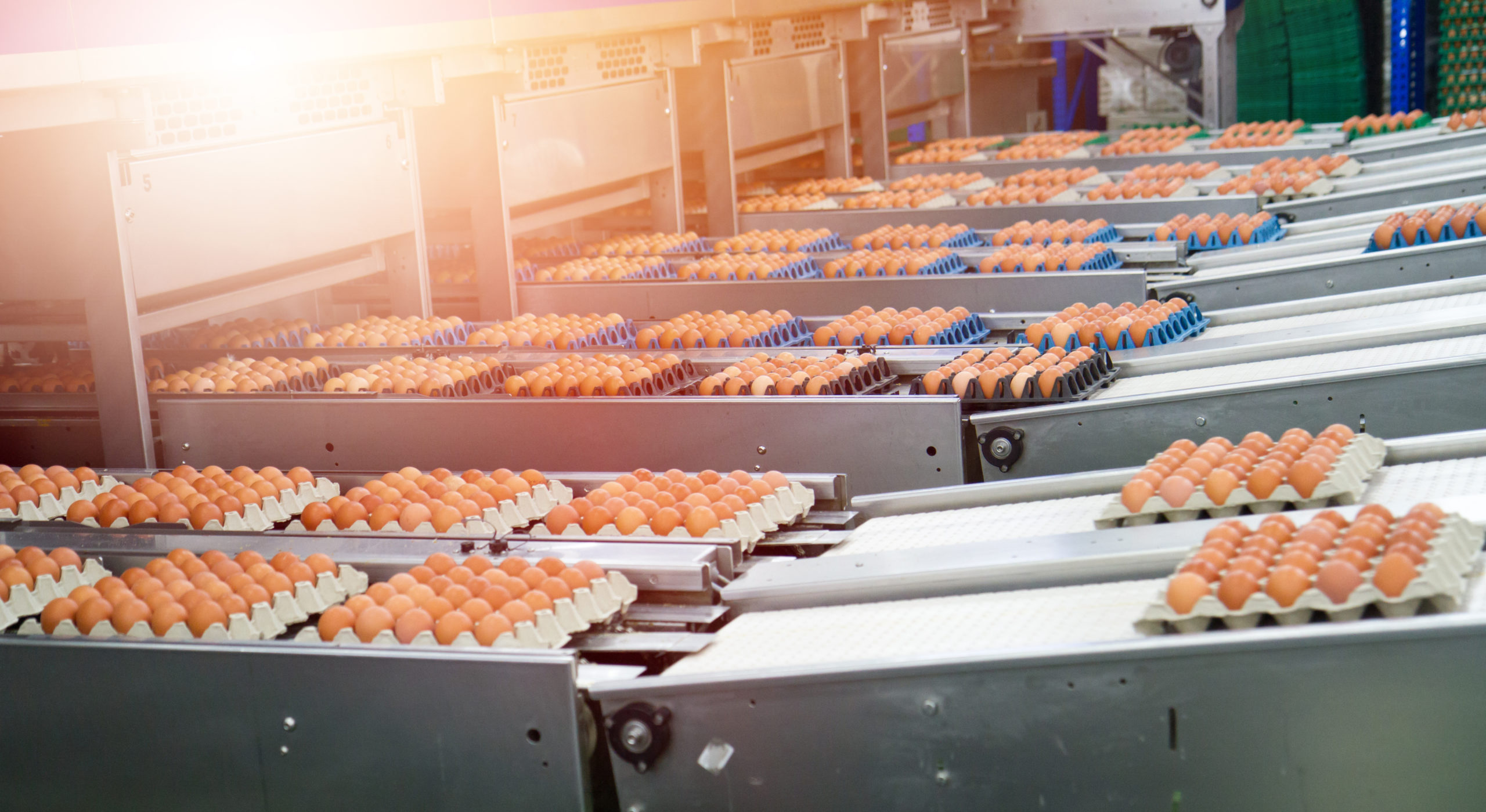
Contract Packing, or co-packing, continues to gain traction in the food manufacturing industry. Co-packers are contracted by food businesses to manufacture products according to the brand’s recipe. The co-packer may then package and label the product before shipping it to its next destination on behalf of your business.

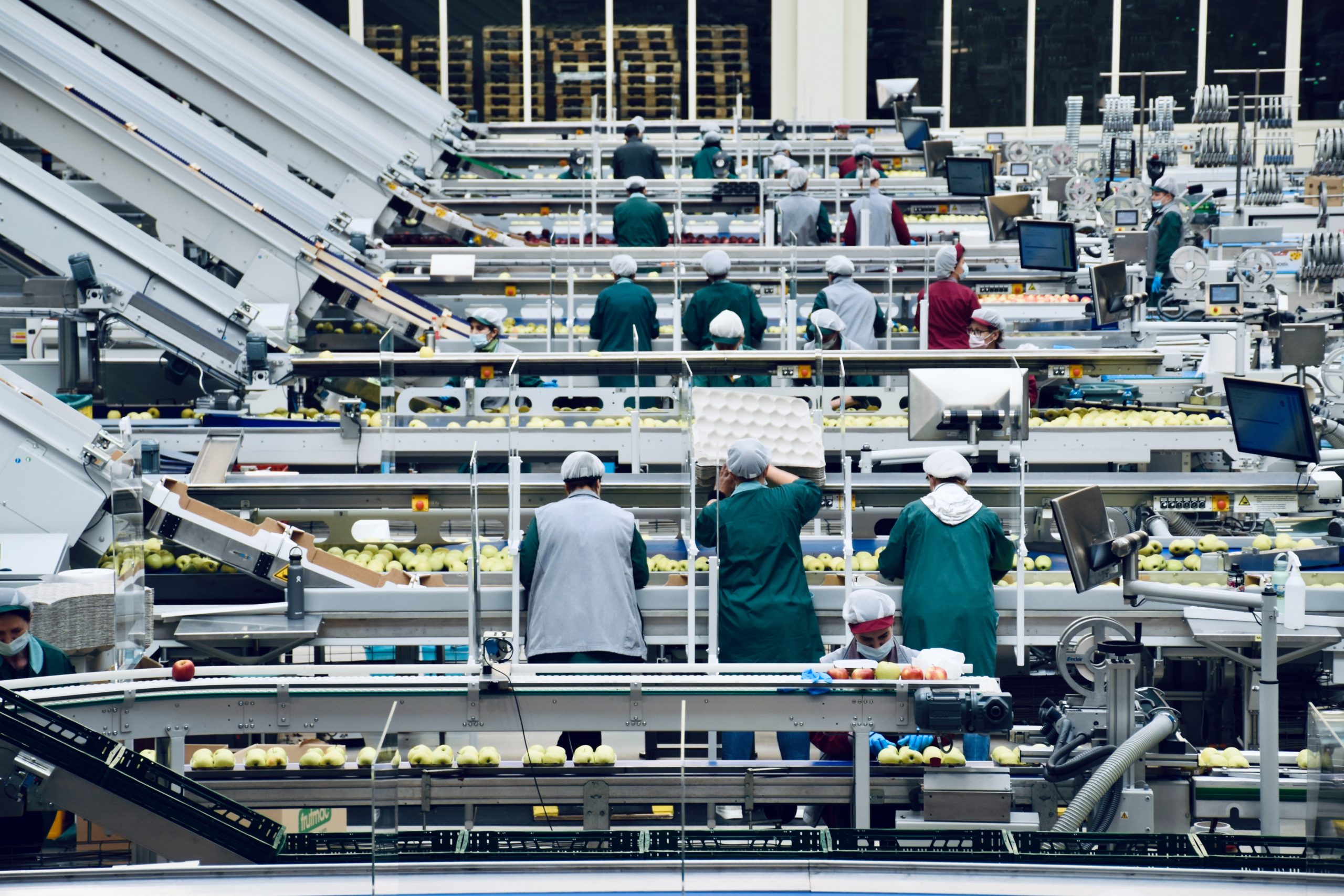
Small businesses and brands can use co-packers to scale their operations. Your food business can streamline operations by relying on the co-packer’s efficiency and facilities to prep or make your product. Meanwhile, internal efforts can stay focused on running your side of the business. These co-packers allow for higher levels of production, resulting in fewer shortages or delays in food production. Co-packers could be a great applicant for this loan program, using the funds to increase capacity in their facilities, purchase new equipment, and hire more employees.

Transportation Companies

You’ve got to have some wheels to get your food product where it needs to go. Food service carriers are an essential part of the food supply chain and could utilize the Food Supply Chain Guaranteed Loan Program in a few different ways to grow or expand their capabilities.

Consider this: a transportation company begins offering logistics services and invests in cold storage equipment for their trucks. They may also invest in commercially available technology to help them operate more efficiently and sustainably. The transportation company could be eligible to finance all the above with the USDA Food Supply Chain Loan Program.

Commercial Food Wholesalers

Unlike retail stores, food wholesalers are still considered middle of the food supply chain because they help get products onto the shelves of retail stores. Wholesalers buy large quantities of product from manufacturers to resell to retail stores. They are closer to the end of the chain than other food supply chain businesses. However, these middlemen don’t sell directly to consumers so food wholesalers are still eligible for the Food Supply Chain Guaranteed Loan Program.

Food wholesalers could finance the purchase and construction of more storage facilities to house more product using this loan program. They could also renovate existing facilities, or convert a building to be suitable for another aspect of their business that supports the food supply chain.

Commercial Food Distributors

Distribution companies keep goods moving down the supply chain and prevent bottlenecks that could impact the entire chain. In addition to working with manufacturers and wholesalers, food distributors may handle food storage, and transportation. They might even supply marketing materials to retailers to help manufacturers sell more products. Food distributors could use the funding from this loan program to finance the purchase of additional equipment used in their operations or to open additional offices to scale their reach and capacity.

Developers & Contractors

You can’t manufacture food in just any building. Facilities need to be fully functional for your process while also meeting strict food safety requirements. Specialized contractors for food manufacturing facilities support the food supply chain by strengthening the infrastructure of businesses that can perform middle-of-the-chain functions while maximizing production capacity. Depending on their line of work and their clients, certain developers and contractors may be eligible for financing their business expansion through this program.

Food Marketing Companies in Contract with a Food Supply Chain Business

This may come as a surprise, but marketing companies that serve food supply chain businesses could be eligible for financing under the Food Supply Chain Guaranteed Loan Program. Businesses that perform services on a contract basis, like marketing agencies, are still part of the chain that helps move products from the farm to grocery store shelves. After all, how do you get your product in the right hands if no one knows about it?

A marketing agency or firm might use the Food Supply Chain Guaranteed Loan Program to hire new employees, invest in technology to better serve their customers, or access working capital to tide them over during lulls in between contracts. If you’re in the business of marketing food products, just be prepared to discuss your client portfolio and goals for serving more of the food supply chain with your lender.

Food Production Consulting Companies in Contract with a Food Supply Chain Business

Another type of business that could be eligible because of their contracted work is Food Production Consulting.  There are firms entirely dedicated to helping the food manufacturing industry to run with higher efficiency while maximizing profits. These consulting firms directly support the goal of the Food Supply Chain Guaranteed Loan Program and can use the financing to build out teams that help create a more diverse, more resilient, and stronger infrastructure for the American food supply chain.

Our food supply is dependent on a wide range of businesses working together to put fresh food on tables across America. How do you know if your business is a fit for this program specifically?

A good question to ask yourself: can you quantify how your project will increase your capacity to make the food supply chain more resilient, diverse, or secure? If you can put assign a numeric value to the positive impacts of the project that justifies how it supports the food supply chain, then you could be a fit for this program.

Check Your Eligibility for the Food Supply Chain Guaranteed Loan Program

Step 1 of 7

Name(Required)

The Food Supply Chain Guaranteed Loan program is only available until the allocated funds run out.  Interested business owners should apply as early as possible to increase their chances of receiving funding. Contact us to schedule a meeting or phone call with one of our Food Supply Chain financing experts to discuss your options for financing.


About Capital Bank | As a top rural USDA lender, our mission is to help American businesses access the capital they need to grow. During each of the previous five fiscal years, Capital Bank has ranked as a top 10 USDA B&I and REAP lender in the country by total dollar volume, authorizing nearly $400 million in financing.
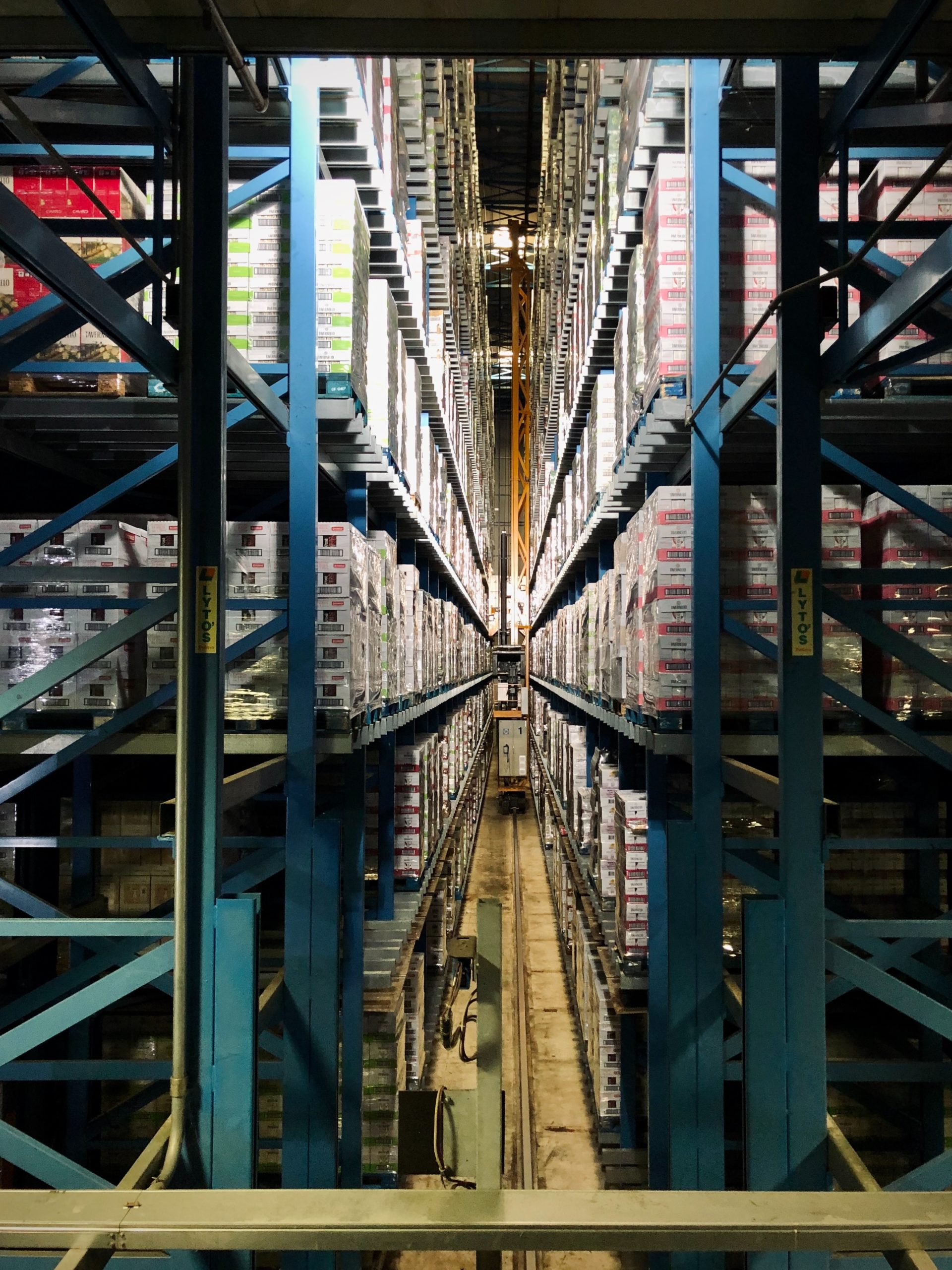
USDA’s Food Supply Chain Guaranteed Loan Program Benefits

The USDA committed $1 Billion in financing aid to businesses that package, transport, store, and/or distribute food products in America. The new Food Supply Chain Guaranteed Loan Program will especially support processors of the meat, poultry, and dairy products in increasingly short supply.

Learn more about the program’s financing for food supply chain businesses and how you could reap big benefits for your middle of the food supply chain business.

Financing for the Food Supply Chain’s Top Problems

The food supply chain was hit hard by COVID-19, and it’s still recovering. From labor shortages to rising fuel costs and increased industry consolidation, it’s become harder and harder for small to medium-sized businesses to compete in the industry. These challenges make it even more difficult and expensive to get food from rural farms to family dining rooms across the country.

The USDA announced the Food Supply Chain Guaranteed Loan Program to offer some relief to American businesses and to the consumers who depend on them. As a business involved in the US food supply chain, you can use this financing to make big improvements to your operations while benefitting from reasonable and entrepreneur-friendly loan terms.  

Here’s how you could use the Food Supply Chain Guaranteed Loan Program funds to grow, expand, and improve your businesses:

snowflake representing cold storage food supply chain loan

Expand cold storage facilities to increase capacity

Purchase and develop new real estate

Purchase new trucks to grow your fleet

Purchase and develop new real estate

Hire and train new employees

Install more efficient equipment and machinery

Invest in new technology systems and software

Access working capital

How Your Business Benefits from the Food Supply Chain Guaranteed Loan Program

The USDA Food Supply Chain Guaranteed Loan program helps small to medium-sized businesses along the food supply chain access affordable capital to grow. Compared to conventional loans, government guaranteed loan programs like this one typically come with longer loan terms, lower (or no) fees, and more flexibility for using the money.

The entrepreneur-friendly benefits were created in the spirit of the USDA: to make financing more accessible and attainable for those who need it most.

Longer Repayment Periods

A longer repayment period means you can make smaller payments month to month than if you were financing with a shorter-term loan. This puts potentially more capital in your hands month to month to use for your business.

You’ll hear banks say that loan programs like the USDA Food Supply Chain Loan Program offer long-term, patient capital. This simply means that, on average, you have more years to pay back the loan than conventional loans give you.

No Guarantee Fees

There are no upfront fees for the USDA Food Supply Chain Guaranteed Loan Program. This is a rare perk for a loan that is government guaranteed.

Loan programs like this one typically require extensive processing done by your lender and its team. Once you submit your documents, the underwriting team ensures every detail satisfies the strict requirements you need to meet to access your affordable capital.

Guarantee fees are typically an unavoidable part of applying to a desirable loan program like this one. The fee goes towards that labor-intensive underwriting process which helps you secure a loan with better terms and benefits.

However, the Food Supply Chain Guaranteed Loan Program is unique among government-guaranteed loans because there are no guarantee fees. You’ll reap the benefits of a guaranteed loan without the closing costs.

Flexible Use of Proceeds

How would you improve your business if you had extra capital in your hands?

The Food Supply Chain Guaranteed Loan Program’s mission is to help you capitalize on opportunities that would grow your business by providing reasonable financing to do so.

With its flexible use of proceeds, this loan program allows you to finance a number of projects related to growing, expanding, or improving your business.  

The list above of how entrepreneurs are using this loan is just a starting point, but the way you use your USDA loan can be largely up to you. 

Eligibility for Food Supply Chain Guaranteed Loan Program Benefits

Farmers and growers are not eligible, and neither are grocery stores that sell to consumers. All the businesses in between could be eligible. Essentially, anyone between the food producer and the retail seller could qualify for this program. Financing is only available for these middle-of-the-chain businesses.

This category includes any businesses that currently or will aggregate, process, manufacture, store, transport, wholesale, or distribute food.

Additionally, your business needs to meet the USDA’s basic criteria:

  • Be a legal, operational entity.
  • Be a part of the foods supply chain system at a commercial level
  • Meet food safety & labeling standards in full compliance with the USDA Food Safety & Inspection Service, FDA, and their state.

The loan program guidelines emphasize that its focus is on the meat, poultry, and dairy-related industries, however, it does not exclude any food industries.

You can read more about specific eligibility requirements for the Food Supply Chain Guaranteed Loan Program here, or check your eligibility by filling out the form below:

Check Your Eligibility for the Food Supply Chain Loan Program

Step 1 of 6

How will you use the funds?(Required)

The Food Supply Chain Guaranteed Loan program is only available until the allocated funds run out.  Interested business owners should apply as early as possible to increase their chances of receiving funding. Have questions about the program and whether or not it’s right for your business goals? Our USDA lending team is here to help. Contact us to schedule a meeting or phone call with one of our Food Supply Chain financing experts.

About Capital Bank | As a top rural USDA lender, our mission is to help American businesses access the capital they need to grow. During each of the previous five fiscal years, Capital Bank has ranked as a top 10 USDA B&I and REAP lender in the country by total dollar volume, authorizing nearly $400 million in financing.

Financing 101: SBA Loans for Car Wash Businesses

Small business loans help entrepreneurs across the country access capital to start, build, and grow their businesses. Car wash owners are using the accessible funding to rev up their profitability and meet growing customer demand.

Just last year, the SBA approved more than $670 Million in financing for car washes nationwide.

In this guide, we cover what you need to know about financing your car wash with an SBA loan. Keep reading to learn about the benefits of these government guaranteed loan programs and how you can leverage them. 

What can car wash owners do with an SBA loan?

How would you improve your car wash if you had extra capital? If any of your ideas would ultimately grow or strengthen your business, you may be able to fund the projects with an SBA loan.

The SBA loan programs were created to power America’s small business growth. Car wash owners can use these loans to improve their existing business or start a new one.

The most popular SBA loan program is the SBA 7(a) loan. If you qualify, you’re eligible to use SBA 7(a) funds to do the following:

Start Your Car Wash Business

Use an SBA loan to purchase a car wash business or start up your own. Whether you need financing to acquire a car wash or to start one from the ground up, an SBA loan could ignite your next car wash venture.

Build or Expand Your Next Car Wash

As you expand your car wash service capacity, you may need to build a new property or purchase machinery or equipment. You can use the SBA car wash loan to build new bays, purchase a new site for a car wash, convert self-service bays to automated bays, or lay the foundations of a brand new car wash facility.

Rev-Up Your Car Wash Business

Hire more staff, increase your marketing spend, update your point-of-sale technology, invest in Green Initiatives, or replace car wash equipment to service new luxury car models. You can do all of that with an SBA loan. You can even refinance some existing debt using an SBA loan, increasing your car wash’s monthly cash flow. SBA loans offer lots of flexibility for investing in your car wash business growth.

How do SBA Loans compare to conventional business loans for car wash financing?

The biggest difference between a conventional business loan and an SBA loan is that an SBA loan is guaranteed by the Federal Government. The government absorbs some of the risks associated with the loan, which helps banks offer reasonable loan terms and small-business friendly benefits. In turn, this helps more small business owners access more financing options.

Some of the key SBA loan program benefits include:

  • Longer loan maturities free up more working capital month to month
  • Flexible use of loan proceeds gives you more freedom to use the funds the way you need to
  • Maximum Interest Rates on the loan are set by the SBA. The rates are set so that small business owners can compete in the current economy.

The application process for SBA loans compared to conventional loans is a bit more thorough. You’ll need to submit more documentation and may have a slightly longer timeline for funding. However, if you can take the time to apply, you could enjoy loan terms created to serve entrepreneurs’ interests.

For car wash owners, the SBA loan programs unlock opportunities to compete in an increasingly consolidated market.

How much money can I get through an SBA Loan for car wash financing?

You can secure up to $5 million for your car wash business through the SBA 7(a) loan program.  Depending on your eligibility, your project, and your need for financing, you have a few different options for SBA car wash loans:

SBA 7(a) Loans: Up to $5 million to buy, grow, or build your business.

SBA 7(a) Small Loans: $350,000 to expand your business.

SBA Express Loans: $500,000 to grow your business.

504 Loans: Up to$5 million to purchase long-term fixed assets like real estate, property, machinery, or equipment.

Make sure you’re weighing your options based on how much you’ll need for your intended expansion.

How do I know if I’m eligible for an SBA Loan for my car wash?

The SBA requires entrepreneurs to meet a few basic criteria to qualify for one of their loan programs. You must:

• Be considered a small business by the SBA. You can check your SBA loan eligibility using this tool.

• Operate for profit

• Use the funds for an eligible use

• Do business in the United States or its territories

• Prove alternative financial resources are not available before pursuing an SBA loan

These qualifications are straightforward for many small to medium-sized car wash businesses in the US. But what if you’re opening a car wash franchise location?

A certain list of franchises are also eligible for SBA funding. This list is determined based on franchise requirements and the owner’s role in the business. If the SBA finds that the franchise meets its standards as an “independent business”, it’s listed as eligible for funding in the SBA Franchise Directory. 

Currently, there are at least 10 different car wash franchises that meet the ‘small business standard’ and are listed in the directory. This list includes Cactus Car Wash, Green Shine Waterless Car Wash, and Prime Car Wash among others.

Unsure if the SBA loan programs are right for your car wash business? Ask yourself these 5 questions to help determine your next steps for car wash financing.

How do I get an SBA Loan for a Car Wash?

Ready to move forward with SBA financing for your car wash? Your road to financing can be broken down into these 5 steps:

1.Check your eligibility

Before you go through the full application process, check to see if your business meets the baseline requirements for SBA funding. (You can use our form at the bottom of this page to do so!)

2. Talk with a lender

An experienced lender will review your information, and discuss your options for moving forward with SBA financing for your car wash.

3. Prepare Your Documents

Get ready for the formal SBA loan application by preparing your essential business documents. This will help streamline your application process and speed up the timeline to funding.

4. Apply for Your Loan

Set aside at least an hour to complete your application. After it’s approved, you’ll work hand in hand with your lender’s team to get the loan across the finish line. Assuming all your documents are in order, this process can take from 20-60 days.

5. Get Funded

Once your loan closes, you’ll have access to your funding. It’s time to grow your business!

Get started on the Road to Car Wash Financing, check your eligibility using the form below:

Check your SBA loan eligibility using the form below. One of our small business lending experts will be in touch shortly to discuss your financing options.

Step 1 of 7

How will you use the funds?(Required)

About Capital Bank | Capital Bank has used the SBA 7(a) Loan Program to lend to franchises across the country for the last decade, providing loans to more than 100 franchises. Our most important goal is to understand what’s important to you, what’s getting in your way, and what you hope to achieve, so we can help you get there. Since 1922, we’ve been creating long-lasting relationships with our customers based on old-fashioned values and future-thinking ideas.  Whether solutions come from surprisingly innovative tools or trusted products you’re familiar with, our single-focused purpose is your financial well-being.

The Road to Car Wash Financing: 5 Questions to Ask Yourself As You Consider Options

The car wash industry is revving up across America. This year, the US market for Car Washes & Auto Detailing is estimated to be worth $14.7 billion. Entrepreneurs will find a range of options for financing their new ventures as more capitalize on opportunities in the car wash space.

As you research your car wash financing options, ask yourself these 5 questions to plan your path to funding and speed up the loan process.

How do you plan to use the funding for your car wash business?

Think about how you want to grow your business. Do you need to update a current location, are you buying a location, or do you need some stability between busy seasons?

As a car wash owner, you can leverage financing to do things like:

  • Build new terminals
  • Convert self-service bays to automated bays
  • Switch to a newer payments system and upgrade hardware
  • Attract, hire, and train new employees
  • Add new services to increase average ticket price
  • Invest in customer experience improvements
  • Purchase a new location to build a new car wash
  • Acquire an existing car wash
  • Upgrade existing equipment, like brush heads, to service newer or luxury car models
  • Rev up marketing initiatives
  • Access working capital during slow seasons

Your car wash loan options will be different based on what you want to do with the funding. Go into the financing process with an idea of the projects you’d like to complete so you can gauge which road to funding is best for your goals.

For example, one of America’s most widely utilized small business financing solutions is the SBA’s 7(a) loan program. (You can learn more about how car wash owners are leveraging this program here).  If you qualify, you’re allowed to use the funding on a wide variety of projects as long as the project helps you build, grow, or start your business.

The SBA 504 loan could also be a better fit if you’re building a new location, purchasing or updating your equipment, building new bays, or converting bays. This loan was made specifically for business owners who need to invest in large assets. Your lender can help you determine if this program is a good fit for your goals.

How much do you need?

Your goals for growth will determine the amount of funding you’ll need. You may need significantly more funding if you’re buying another car wash than if you’re just enhancing a current one. The amount of money you need also influences which financing option is best for your business.

Your conventional loan options will be based on your credit, collateral, cash flow, and current outstanding debt. Additionally, there are a few different SBA loan options for car washes based on how much you need:

SBA 7(a) Loans: Up to $5 million

SBA 7(a) Small Loans: Up to $350,000

SBA Express Loans: Up to$500,000

504 Loans: Up to$5 million

Don’t overlook SBA Small Loans for car washes. The Small Loan program is one lenders expect to gain ground this year.  With a more streamlined application and funding process, it could be a more efficient path to financing if you know your goals will take less than $350,000 to complete.

Is your car wash a franchise?

As the car wash industry has become more consolidated, more franchise opportunities have opened up to local entrepreneurs. A franchise agreement doesn’t necessarily disqualify you from accessing an SBA loan. Your business does, however, need to meet the SBA’s “independent business” standard and be listed in their Franchise Directory to access SBA loan programs.

Some of the car wash franchises that are eligible for SBA financing include:

  • Cactus Car Wash
  • Dirty Dog’s Car Wash (Franchise Agreement and Trademark License Agreement)
  • Green Shine Waterless Car Wash
  • IQ Car Wash
  • iShine Express Car Wash & Detail
  • Mr. Clean Car Wash
  • PECO Car Wash Systems (Distributor Agreement)
  • Prime Car Wash
  • Team Blue Hand Car Wash & Detail

If you’re opening a car wash franchise that is not listed in the SBA Franchise Directory you have two options. 1.) You can submit the franchise for inclusion in the Directory. If it’s added, you can then apply for an SBA loan. Or 2.) If the franchise cannot be added or you choose not to submit it, you can move forward with conventional loan options.

Do you own other businesses?

This question is especially important to address if you’re considering SBA financing for your car wash. One major requirement business owners must pass for SBA loan program eligibility is the ‘Credit Elsewhere’ test. This simply verifies that a small business owner can’t find financing through a conventional loan. It’s meant to keep the SBA loan program benefits available to those who need them most.

If you own multiple businesses, the SBA will look at your entire portfolio to determine your credit and eligibility. If any of those businesses could assist you in securing financing through conventional loans, or if you already have secured an SBA loan for another business, you may not be eligible for further SBA financing.

As you research financing, make sure you disclose to your lender if you own other businesses. They’ll help you determine which path to funding is best based on your eligibility and your business portfolio.

How soon do you need financing?

Small business financing isn’t always a quick fix. If your car wash needs immediate funding, you may need to leverage conventional loan programs instead of the SBA’s loans.

Once your SBA loan application is approved, it can take anywhere from 20 to 60 days to obtain SBA approval and close your car wash loan. You can stay on the shorter end of this timeline if all your documentation is ready and you are responsive to requests from your lender.

While they can take longer to get funded, SBA loans are still an attractive option to many car wash owners. The benefits, including longer repayment terms, interest rates set by the SBA, and flexible use of proceeds, make the application worth it for many entrepreneurs.

If you can make the time to apply and wait for funding, SBA loans might be a great option. Just make sure the application timeline fits your plans before you apply.

Check Your Eligibility for Car Wash Financing

Check your SBA loan eligibility using the form below. A small business lending expert will be in touch shortly to discuss your financing options.

Step 1 of 7

How will you use the funds?(Required)

About Capital Bank | Capital Bank has used the SBA 7(a) Loan Program to lend to franchises across the country for the last decade, providing loans to more than 100 franchises. Our most important goal is to understand what’s important to you, what’s getting in your way, and what you hope to achieve, so we can help you get there. Since 1922, we’ve been creating long-lasting relationships with our customers based on old-fashioned values and future-thinking ideas.  Whether solutions come from surprisingly innovative tools or trusted products you’re familiar with, our single-focused purpose is your financial well-being.

How to Write a Business Plan for SBA 7(a) Loan Applications

If you’re applying for an SBA 7(a) loan, your lender may ask that you provide a business plan as part of the application. A business plan is one of the best documents lenders can use to fully understand your company’s structure, product, leadership, goals, and projects. This document helps expedite the underwriting process for your loan application because it gives your lender the crucial information they need to efficiently secure your funding.

In this article, we’ll walk through how to write a standard business plan. We’ll also share specific tips from our team of lending experts for business owners writing theirs for an SBA 7(a) loan application. Download our free business plan template to get started.

I. Executive Summary

This section should be a clear snapshot of your business. Think of the business plan’s Executive Summary as the ‘main idea’ of the entire plan. In a few paragraphs, the Executive Summary should concisely explain the service or product, your customer, and a high-level overview of your growth plans.

Lender Tip: You may want to write the Executive Summary last. Once you complete the rest of the sections in the business plan, the main ideas that need to be included in the summary may be clearer and easier to write.

II. Company Description

This section should explain what you offer, how you do it, and why. Include your mission statement, business history, business model, and your legal structure in this section. Make sure to showcase your company’s history in the Company Description. SBA lenders want to understand your business’s trajectory up to this point, and your goals for future growth.

III. Market Analysis

The Market Analysis is a comprehensive evaluation of the industry segment your business falls into. It requires you to research the overall industry, your customer, your competition, and your own potential for growth.

Start by identifying your target market. Share data that illustrates the size and value of this market, and any recent trends that you expect will affect the industry in the near future.

Next, share specific statistics about your target customer, their spending habits, and how it would affect their abilities to pay for your product or service.

Finally, explain how your business will fit into the present landscape. Who are your competitors, and how could their business support or threaten your growth? What unique value does your company bring to the table, and how do you expect that to pay off based on the current state of the market? Reference your financial projections to support your potential earnings based on the market.

Lender Tip: Your Market Analysis should depict your company’s competitive position. You may choose to format this information as a SWOT Analysis table to clearly highlight your business’ strengths, weaknesses, opportunities, and threats. 

IV. Organization and Management

Share how your company is structured and the role each of your principal members plays in the success of the business. Detail your leadership team’s job responsibilities, and make sure you clearly describe how each team member contributes to the day-to-day operations of the company. Include any qualifications, certifications, and/or prior management experience for you and your team.

Lender Tip: This section is a good place to reference CVs or resumes for your primary leadership team. For the SBA loan application, your lender may require resumes that showcase the relevant experience of you or your team members that would contribute to your company’s success. Describe your team’s experience in this section, and attach full resumes in the Appendix of the Business Plan.

V. Service or Product Line

Explain what your business will offer. Briefly describe the services or products you currently offer and your pricing structure. Include relevant details on the product lifecycle and list any patents or copyrights.

VI. Marketing and Sales

This section should include how you plan to reach your customer, grow your base, and make sales. Your Marketing strategy may evolve over time, but this section should outline a general plan for your business now and into the near future.

Be sure to detail how a sale is made, including which channels are used in the buyer’s journey. Whether sales are made on a website, through social media channels, in stores, through meetings facilitated by trade shows, or a combination of these channels, be sure to list all relevant sales methods.

VII. Funding Request

The Funding Request section is unique to business plans written for financing applications. For the SBA 7(a) loan application, the Funding Request section of your business plan should detail how much money you need and what you plan to use it on. Are you purchasing long-term fixed assets like commercial real estate? Do you need more working capital for the upcoming year? Are you expanding or renovating your facilities? Detail this information in this section. Make sure you explain how your business will benefit and grow by using the loan.

Lender Tip: Keep in mind that borrowers applying for an SBA 7(a) Loan Program must plan to use the funds for one of the eligible uses of proceeds to qualify for financing. You can read more about the projects that fall under the SBA’s criteria in our SBA Loan Basics article.

Your completed business plan is a useful tool to keep on hand. Just be sure to edit it often. Your strategies, product mix, and goals may evolve. Your business plan should accurately reflect the most up-to-date phase of your business. Keep this template bookmarked as a reference for future versions.

Want to stay up to date on business resources and news? Subscribe to the Capital Bank Newsletter.

Subscribe to the Newsletter.

Name

About Capital Bank | Capital Bank is proud to serve small business owners and entrepreneurs, helping them access affordable capital and financial services when they need it most. Since 1922, we’ve been creating long-lasting relationships with our customers based on old-fashioned values and future-thinking ideas. We’re guided by trust, respect, and honesty, and we’re driven by “what’s next”. Whether solutions come from surprisingly innovative tools or trusted products you’re familiar with, our single-focused purpose is your financial well-being.  We don’t just think outside the box, we think outside of the bank, so you can feel unquestionably confident banking with us.

Capital Bank is chartered in North Riverside, Illinois, and retains its operations in Raleigh, North Carolina.

Your SBA 7(a) Loan Application Questions: Answered.

The Small Business Administration’s SBA 7(a) loan program can be a great financing option for entrepreneurs looking to grow their businesses. However, the SBA loan application process can be daunting if you don’t know what to expect. Read on for answers to the most frequently asked questions business owners have when researching and starting the SBA loan application process

How do I know if I am eligible for an SBA 7(a) loan?

SBA loan eligibility is determined by your business size, model, intended project or use of the loan, and your ability to find funding elsewhere. To be eligible for the SBA 7(a) loan, you must:

• Be considered a small business by the SBA in an eligible industry. You can check your own business’ eligibility using this tool.

• Operate for profit

• Use the funds for an eligible use

• Do business in the United States or its territories

• Prove alternative financial resources are not available before pursuing an SBA loan

The SBA excludes select industries and business models from their eligible list of borrowers. For example, non-profit businesses, loan packaging businesses, businesses who engage with illegal activity, and religious institutions are not eligible for SBA 7(a) loans.

How long does the SBA 7(a) Loan Application Process take?

The SBA loan process at Capital Bank is comprised of 5 stages. You’ll start by pre-qualifying online. If your lender confirms you’re eligible, you’ll move on to the formal SBA loan application and pre-approval.

Set aside a full day or afternoon to complete the complete SBA loan application. It’s a lengthy and thorough application that dives deep into the details of your business, assets, and plans for the future of the company.

You can streamline the process by preparing your documents (listed below) before starting the formal application. The more information that you provide on the initial application regarding your business operations, the experience and qualifications of the owners/management, and your intended use of the loan and how it will benefit the business, the less time your loan application will take for the lender to review and decision the loan. Try to proactively address any questions that the lender might ask based on the application and history of the business owners.

Question we didn’t answer?

Meet with a lender and discuss your options for financing one on one.

What is the minimum credit score for an SBA 7(a) loan?

The credit score minimum for SBA loans is determined by the bank funding your SBA loan. It’s typical for a bank to require minimum credit scores between 650-700 to qualify for an SBA loan.

At Capital Bank, the minimum credit score for an SBA loan is 665. Your debt service coverage ratio (DSCR), financial statements, and how long you’ve been in business are also considered alongside your personal credit score.

What business documents do I need to submit in my SBA 7(a) loan application?

It’s standard for lenders to ask borrowers for the following items:

  • Detailed summary of the intended use of the loan (e.g., purchase equipment, working capital, or refinance debt)
  • Articles of Incorporation/Organization (Assumed name/ DBA if applicable)
  • Operating Agreement or Corporate by Laws
  • 3 Most Recent Years of Business Tax Returns, including all forms, schedules, and statements
  • Interim Business Financial Statements (Income Statement & Balance Sheet)
  • Business Debt Schedule Should match liability balances from Interim Balance Sheet
  • Business Collateral Schedule
  • Business Plan for new businesses (<1 year of operations) and for business acquisitions
  • For existing businesses, a written explanation of the business operations and qualifications of the owner’s SBA Form 1919, Borrower Information

Additionally, your lender may ask for other documents based on how you plan to use the loan proceeds. For example, if you plan to use your loan to refinance an outstanding debt the lender may ask for copies of your Security Agreements for the loans you’ll be paying off, Payment Transcripts for the life of the loan, Monthly Statements if refinancing a credit card, etc. Your lender should provide you with a complete list of documentation you’ll need to submit, but preparing the above initial documents can help streamline the process.

Do I really need a business plan for my SBA 7(a) loan application?

Most lenders will require you to submit a business plan with your SBA loan application. A well-developed business plan can help a lender understand how your business operates, how the loan proceeds would be used, and whether you’re eligible based on SBA program standards.

Get tips on writing your plan and download a free business plan template for SBA loan applications.

What personal documents do I need to submit in my SBA 7(a) loan application?

It’s standard for lenders to ask borrowers for the following items:

  • 3 years of Personal Tax Returns, including all forms, schedules, and statements
  • Personal financial statement (disclose all debts as this will need to match the Personal Credit report)
  • A resume that includes management experience

What is an equity injection, and why do I need proof of it for an SBA 7(a) loan application?

An equity injection is an investment of your own funds into your business. The equity injection basically functions as a down payment for the loan and demonstrates that you have some “skin in the game” motivating you.

The amount of your required equity injection depends on your project’s total cost. The purchase of the commercial real estate, purchase of a business, equipment purchases/leases, working capital uses, or other costs associated with the total project cost all contribute to your equity injection. Lenders are required to verify all your equity in the project prior to funding your loan using documents like bank statements, invoices, and receipts to verify the source and the use of the funds. You can prepare for this part of the application by making sure you have collected your most recent bank statements, and the invoices and receipts for major purchases you’ve made for your business.

Why do I have to provide information on my other businesses during the SBA 7(a) loan application process?

If you are associated with multiple businesses, the SBA requires that your lender review these businesses to ensure the applicant business, and its affiliates, meet the SBA’s size standards of a “Small Business”. This paints a better overall picture of who you are as a business owner and your history as an entrepreneur. It helps the bank evaluate your SBA loan application to make sure you’re a good fit for their program.

What is a credit memo?

A credit memo is a document the lender puts together during the application process that details your business and why you need an SBA loan. This document will ultimately be used to determine whether you will be approved for your loan. The credit memo covers everything from financial projections for your business, to credit history, to relevant expertise of your team that would contribute to your company’s success. The more information you can provide in your application to detail these items, the quicker the loan underwriting process can be.

Once my application is approved, how long does it take to get funding?

Timelines may vary from lender to lender and are often based on the use of the loan funds and the structure of the transaction as some projects and structures are more complex than others. Assuming your application is properly filled out and doesn’t hit any unexpected obstacles during underwriting, you can expect to receive funding around three to four weeks after your initial application is approved. This is contingent on you providing the necessary closing documents and the timeliness of third-party reports such as Appraisals, Valuations, and Environmental due diligence, as applicable.

How do I start an SBA 7(a) Loan Application for my business?

Before you start an application for an SBA 7(a) loan, review the eligibility requirements for businesses and use of proceeds. Ask yourself if the intended use for your loan falls under the eligible uses of proceeds according to the SBA. We recommend that potential borrowers review our 4 Tips for SBA Loan Applications during this stage to check if the program could be a good fit for their business goals.

Banks will typically offer online applications as a first step in the SBA loan application process. Keep your business documents close and organized as you fill out this application. Depending on your lender, you may need to upload some of these throughout the initial SBA loan application.

Remember, SBA loan program eligibility does not guarantee that you will receive an SBA 7(a) loan. Lenders have their own internal guidelines that must be evaluated as well. It is always recommended that you consult with a seasoned SBA lender in the early stages of the SBA loan application process to ensure your intended uses for the loan falls within the program’s guidelines.

Have a question we didn’t answer about applying for an SBA loan? Use the form below to connect with one of our loan officers who can help you understand your business financing options.

Meet With An SBA Expert at Capital Bank

Ask a lender one on one about your options for small business financing through the SBA loan programs based on your goals and business history.

Step 1 of 8

Name(Required)

SBA Loan Basics: Understand SBA Small Business Financing Options

Small business owners have a few different paths they can take to get the funds they need to build and grow their businesses. One popular route is through the Small Business Administration’s government guaranteed loan programs, known as SBA loans.

Below, we share the key things you need to know about SBA loans and answers to the most common questions business owners have about their SBA loan options

What is the SBA and what are SBA Loans?

The Small Business Administration (SBA) is a government organization created to connect small business owners to the resources they need to succeed. In support of America’s entrepreneurs, the SBA created their government guaranteed loan programs to address the challenges of securing small business financing.

Their most popular loan program is the SBA 7(a) loan program. This program makes it possible for entrepreneurs to secure loans of up to $5 million with highly competitive terms and benefits. The 7(a) loan program helps more than 60,000 businesses obtain funding each year to start, build, or grow their operations.

What is a guaranteed loan?

When a loan is ‘government guaranteed’ it means that the US government absorbs some of the risk that banks take on whenever they lend money to businesses who qualify and go through the program. This loan guarantee enables banks to offer better terms to borrowers that might otherwise have to satisfy more requirements to get a loan. Because of this, guaranteed loans enable more businesses to qualify for financing from their bank with reasonable terms.

Why are SBA loans good for small businesses?

Rates and terms may vary from bank to bank since SBA loans are still processed through lending institutions and not the government itself. However, SBA loans are regarded as good for small businesses because of their interest rates, eligibility requirements, and the variety of ways you can use the funds for your business.

The maximum interest rate for an SBA 7(a) loan is set by the SBA to keep it entrepreneur-friendly. They also often have longer repayment terms, so monthly payments on your total loan amount may be smaller. You can estimate what your monthly SBA loan payment might be with this free calculator.

SBA lenders are also not required to ask the borrower to put up more in collateral than their loan amount. For conventional loans, it’s typical for lenders to ask that a borrower pledge more collateral than their loan amount. The collateral requirements alone can be quite a challenge for small business owners in need of funds to start, grow, or expand their business.

Another benefit of the SBA 7(a) loan program is its flexible use of proceeds. Borrowers typically find that the loan is good for their business goals because they can use the funds on a range of eligible projects related to growing their business. The SBA wants entrepreneurs to use their loans to start, build, or expand their business. Their mission is to foster the growth of American small businesses, so they’ve given a lot of options to borrowers in the program on how to use the loan.

How can I use an SBA 7(a) loan for my business?

Basic uses for SBA 7(a) loans include the following:

• Working capital

• The purchase of equipment, machinery, furniture, fixtures, supplies or materials

• The purchase of real estate, which includes both land and buildings

• The construction of a new building or renovation of an existing building

• Establishing a new business

• Buying a business (You can learn more about using an SBA loan to buy a business with our article.)

• Refinancing existing business debt (under certain conditions)

Additionally, SBA loans can sometimes be used to purchase franchise locations. If you’re considering financing options for a franchise, be sure to read our guide to franchise financing with SBA loans.

How long does it take to get funding through SBA loans?

The SBA application can sometimes be a lengthy process, however, if you’re well prepared with all your business documents in order before the application starts then your timeline could be expedited. Expect it to take anywhere from one to three weeks to get approved after submitting a complete application.

Once your application is approved, it can take anywhere from 20 to 60 days to obtain SBA approval and close the loan. This can vary based on the complexity of the transaction and the structure of the business. The exact time it will take to fund your loan depends on the lender you choose and their internal underwriting procedures. As you’re speaking with potential lenders, be sure to ask about their timelines.

Read our four best tips for SBA loan applications to start preparing for the loan application process.

How much is the down payment for an SBA 7(a) loan?

A down payment for an SBA 7(a) loan can be as little as 0% in certain cases. However, between 10% and 20% of the total project cost is more common. The exact amount of your required down payment will depend on a variety of factors, including which lender you choose.

Why would I have to put up my house as collateral for an SBA loan?

Your personal residence is sometimes required as collateral for an SBA loan if you don’t own enough business assets to meet the SBA or lender’s collateral requirements. The SBA requires that lenders secure their 7(a) loans with personal real estate when the business collateral does not meet the SBA’s definition of ‘fully collateralized’ for loans larger than $350,000. For loans $350,000 and smaller (aka “7(a) Small Loan”), the SBA does not require lenders to take personal assets as collateral. Some lenders might require this as part of their internal lending policies, so it is pragmatic to inquire with your lender about their Small Loan processing requirements.

How is interest accrued on my SBA loan?

Interest is accrued on your loan once the funds have been disbursed. The amount of interest is based on the interest rate that is agreed upon with you and your lender. If your loan funds are disbursed over a period of time, interest will only accrue on the portion of the loan that has been disbursed to your business.

How do I know if I am eligible for an SBA 7(a) loan, according to the SBA’s guidelines?

SBA loan eligibility is determined by your business size, model, business operations, intended project or use of the loan, and your ability to find funding elsewhere. To be eligible for the SBA 7(a) loan, you must:

• Be considered a small business by the SBA. You can check your own business’ eligibility using this tool.

• Operate for profit

• Use the funds for an eligible use

• Do business in the United States or its territories

• Prove alternative financial resources are not available before pursuing an SBA loan

Are there any other loan programs like the SBA loans?

Other government guaranteed loan programs offer similar types of benefits geared towards strengthening the US economy. The 7(a) loan program was created in a way that extends financing options to many different types of industries and business models. However, if you fall under the wider umbrella of agriculture or energy related business, you may be eligible for USDA government guaranteed loan programs. Learn more about government guaranteed agribusiness financing programs here.

As you evaluate your small business financing options, keep in mind the size of your business, what projects you want to complete with your loan, and how soon you need the funding. These are key factors that can help entrepreneurs decide if an SBA loan program is a good fit for their goals.

Have a question we didn’t answer about SBA loan programs or about your options for small business financing? Ask a question using the form below to connect with one of our loan officers who can help you understand your business financing options.

Ask an SBA Expert.

"*" indicates required fields

Get Your FedEx Route Business Off the Ground with SBA Financing

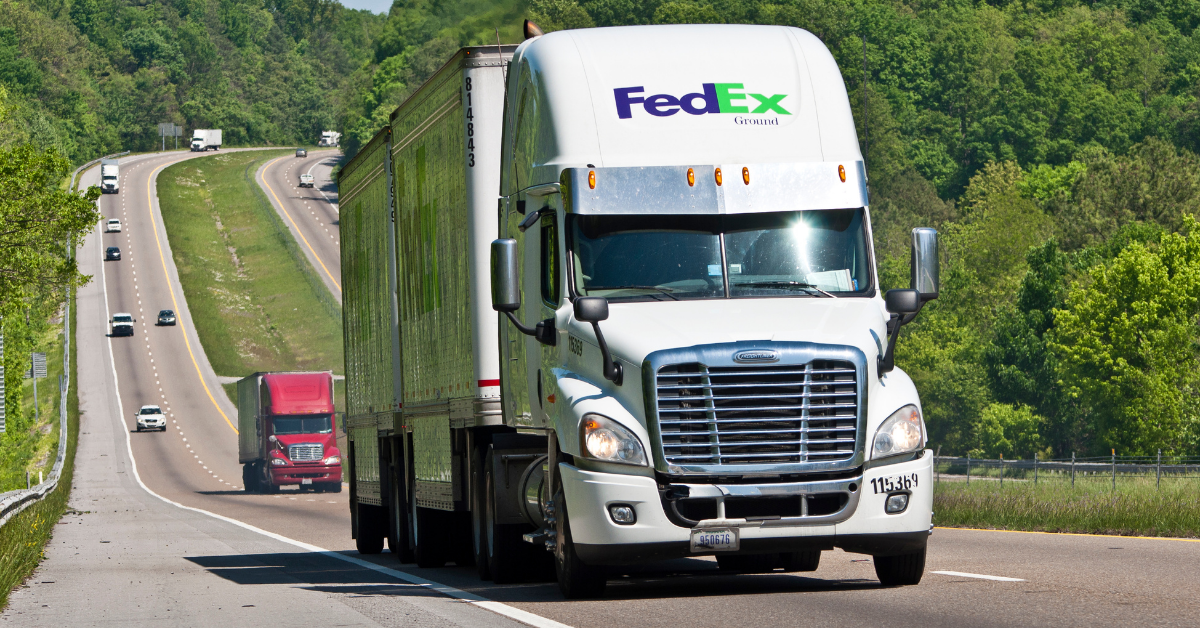
Thinking about buying a FedEx route for sale? It could be a good option if you want to enjoy both the perks of business ownership and the benefits of working under the established reputation of FedEx. Your purchase may also qualify for financing from the Small Business Association’s (SBA) loan programs.

This article explains the SBA loan programs’ benefits and how they can help prospective FedEx route owners secure the needed capital to set their business on the road to success.

How Does FedEx Route Ownership Work?

Buying a FedEx route does not mean that you’ve bought a piece of the FedEx company. You’re not purchasing any physical land or assets, either. All FedEx routes are bought and sold as contracts. When you purchase a route, you purchase guaranteed business sent your way from FedEx. You’re basically buying the assurance that business from FedEx will pass through a particular set of streets, which you’ll get paid to operate.  

Route owners operate as independent contractors. From a tax perspective, that means you own your business. It also means that you’re responsible for the equipment, employees, and management of the route. 

FedEx may have their name on the sides of the trucks, but you become the boss when it comes to making sure the business on your route is running smoothly.

Why Are SBA Loan Programs Good for Buying FedEx Routes?

The collateral requirements of conventional loans (i.e., traditional bank financing) could be a problem for entrepreneurs buying FedEx routes since the business model is light on assets compared to other businesses.

Lenders may require a borrower to pledge assets worth up to 150% or more of the loan amount to qualify for a loan. Business owners will need to pledge assets owned by the business to meet this collateral requirement. They may also have to pledge personal real estate, like their homes and rental properties, to secure a loan.

If you’ve ever browsed FedEx route sales, you know that they are expensive, making the collateral requirement for a conventional loan a large hurdle for many entrepreneurs. A single ground route can range anywhere from a couple hundred thousand dollars to millions of dollars.

Unlike traditional loans, SBA lenders aren’t required to ask for an amount of collateral that exceeds the value of your loan. For loans over $350,000 the lender can list the following to meet your collateral requirements:

  • Business Assets
  • Commercial Properties
  • Value of Your Business Accounts Payable and Receivable
  • Inventory

If the value of all your business assets doesn’t match the value of the loan you’re taking out, the lender may also have to list your personal property. However, putting up a personal residence for collateral is generally a last resort for SBA Loans.

In addition to having generally lower requirements for collateral, SBA Loan programs also come with other benefits, including:

  • Extended Maturities. This means you have a longer time to pay back the loan, so monthly payments may be smaller.
  • Flexible Use of Funds. The SBA has a broad range of eligible uses for the loan program, so small business owners have an easier time using the funds on what they need most.
  • Maximum Interest Rates Set by the SBA. The rates are set so that small business owners can compete in the current economy.

How Can FedEx Route Owners Use SBA Loans?

Buying a FedEx route can be financed using SBA loan programs because the purchase falls under the eligible uses of proceeds set by the SBA.  In addition, you could also use the funds to…

  • Purchase trucks, vehicles, and other transportation equipment
  • Pay and train employees
  • Purchase and pay for insurance on equipment, packages, and employees
  • Purchase package processing software and tools
  • Pay royalty fees

Why Are FedEx Route Buyers Eligible for Small Business Loans?

The SBA’s loan programs were made to benefit small business owners. FedEx is a large company. Why would they let people use the loans to buy FedEx routes?

Since route owners are independent contractors, they qualify as small business owners. Owning a FedEx route means that FedEx is a contractually bound customer who must use you as a vendor for the streets on your route. It doesn’t mean they employ you in the traditional sense.

Whether you use employees to man the routes or fulfill every order yourself, the fulfillment business is owned by you.

The SBA just requires your business meets the following eligibility standards to qualify for their program. The business must:

  • Operate for profit
  • Be engaged in, or propose to do business in, the U.S. or its territories
  • Have reasonable owner equity to invest

The SBA also reviewed the following arrangements with FedEx and deemed them eligible for financing based on their standards for small businesses. You still have to meet universal standards, but if you operate under any of the following agreements you are not excluded from SBA Loan programs because of your working relationship with FedEx:

  • FedEx – Home Delivery Operating Agreement
  • FedEx – ISP Agreement
  • FedEx – Linehaul Agreement
  • FedEx – Pick-Up and Delivery Operating Agreement
  • FedEx Ground
  • FedEx Ground Package System, Inc. – Independent Service Provider Agreement 

Which SBA Loan program is Best for Future FedEx Route Owners?

The most popular SBA Loan program is the 7(a) program. It offers flexibility for how you can use the funds, so it’s been a good fit for many different types of projects. Through the SBA 7(a) program eligible businesses can receive loans up to $5 million to benefit their business.

The SBA 7(a) Loan is likely the program most FedEx route purchasers will use, but it’s not the only way to secure financing for this small business. Speak to a professional from a trusted institution to help determine the best options for your unique business and goals.

How Do I Apply for an SBA Loan to Buy a FedEx Route?

Ready to begin the formal SBA loan application process to fund buying a FedEx Route? Follow these next steps.

1.Confirm Your Eligibility for SBA Financing

First, confirm you meet the universal requirements for eligibility set by the SBA. Next, research the requirements of lenders you want to consider working with. Lenders may have their own standards to meet to process an SBA loan through their institution.  Be prepared to address exactly how you’ll use funds from the SBA program when you meet with lenders to talk about your options.

2. Prepare Your Application Documents

Your loan application will need to detail your financial history and business plan to properly process your loan. The lender will look at factors like your credit history, assets for collateral, business plan, and financial statements to determine whether or not you’re a candidate for an SBA Loan program.

You’ll need to submit documents such as your:

  • Business plan
  • Business and personal tax returns (past three years)
  • Business debt schedule
  • Business interim financial statements
  • Personal financial statement for all guarantors
  • Executive summary for owners and managers of the business
  • Detailed explanation for the use of the loan funds

Collect and organize these documents prior to beginning the formal application. It may help your loan application move along more quickly.

3. Start the Application with a Trusted Lender

Your SBA Loan must be processed with a legitimate lender. The lender will walk you through the application process from start to finish. They’ll also help you gather any additional documents you may need for your specific business and ensure that each piece of the application is submitted at the correct time.

Learn more about our applying to SBA Loans with our tips for preparing your SBA Loan Application. Have questions about any point of the process? Our SBA loan officers are always happy to help.

Addressing the Need for Out of the Box Small Business Financing with SBA Loans

Capital Bank is proud to serve small business owners and entrepreneurs, helping them access affordable capital when they need it most. Use the form below to check your eligibility for FedEx route financing options.

Check Your Eligibility for an SBA Loan:

Step 1 of 7

How will you use the funds?(Required)
Capital Bank is not endorsed by and is not recommended by Federal Express Corporation and FedEx Ground. Capital Bank is not sponsored by, is not approved by, is not associated with, and has no connection with Federal Express Corporation or FedEx Ground.

SBA Franchise Loans: A Guide to SBA Franchise Financing

You’ve found the right business, done the research, read the fine print, and now you’re ready to buy a franchise. Maybe you own a franchise and are exploring growth options. But how do you obtain the capital to take the next steps?

If you already own a franchise or are thinking of buying one, you could be eligible to fund your business with SBA loans. The government guaranteed loan program is known for its competitive terms and low interest rates, making it a viable option for securing access to capital.

In this guide to SBA franchise loans, we cover everything current and prospective franchise owners need to know about SBA loan options available to franchise brands. 

Why SBA Franchise Loans?

Owning a franchise is an appealing option for a few reasons. A franchise operates with a model that has already proven to be successful and comes with a corporate reputation to back up the choice in your investment.

Even so, some lenders can be hesitant to grant loans to franchise owners, making it more difficult to finance the full amount needed to buy or run a franchise.

SBA loans were created to promote the growth of small businesses by providing an alternate option to conventional financing on reasonable terms. Using SBA loans to fund buying a franchise can help you secure the primary benefits of the incentivized loan program while providing the hard-to-come-by capital to buy or grow a franchise.

Benefits of SBA Franchise Loans in comparison to conventional financing include:

  • Fully-amortizing, “patient capital” (no balloon payments)
  • Extended maturities (preservation of cash flow)
  • Potential for lower collateral requirements
  • Minimal, or no, financial covenants
  • No pre-payment penalties (< 15-year terms)
  • Maximum interest rate thresholds set by the SBA

How Can Franchise Owners Use SBA Franchise Loans?

The SBA loan program has specific requirements for how the funds can be used, which are outlined in the loans’ eligible use of proceeds. In short, the SBA requires that loans are used to improve or establish a site to conduct your business, fund your operation’s soft costs, and/or refinance certain outstanding debts.

Given these requirements, business owners commonly use SBA Loans in the following ways to start or enhance their franchise’s operations:

  • Starting or buying an existing franchise
  • Paying franchise or royalty fees
  • Opening new locations or marketing expenses
  • Resolving cash flow issues
  • Paying or training employees
  • Making leasehold improvements

Which SBA Franchise Loan Program is Right for You?

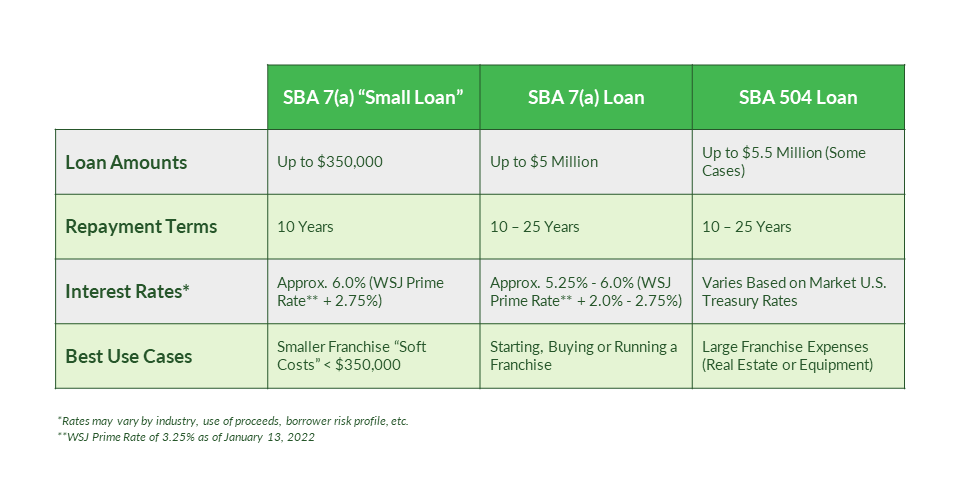
There are multiple SBA programs business owners may utilize to start or grow a franchise. The type of loan you should apply for depends on the amount of capital your project needs and how you plan to spend the funds. The three most popular SBA loan programs for franchise owners are:

SBA 7(a) “Small Loan” Program

  • Loans equipped with a streamlined application and approval process of up to $350,000 with a maximum repayment period of 10 years.  Made by financial institutions and backed by the SBA.
  • Eligible uses of proceeds include smaller expenses like inventory, supplies, and raw materials.
  • SBA 7(a) Small Loans are best for, but not limited to, small business owners who likely already own a franchise and are seeking to finance their franchises’ “soft costs” up to $350,000.

SBA 7(a) Loan Program

  • Loans of up to $5 million with a 10-25 year repayment period made by financial institutions and backed by the SBA.
  • Eligible uses of proceeds typically include working capital, debt refinancing, equipment purchase and business acquisitions.
  • SBA 7(a) loans are typically best for business owners who are in the initial stages of starting, buying, or running a franchise and have expenses ranging from $350,000 – $5 million.

SBA 504 Loan Program

  • Long-term fixed asset loans up to $5.5 million with a 10–25-year repayment period. These loans are provided in conjunction with financial institutions and Certified Development Companies (CDCs) which are licensed by the SBA.
  • Eligible projects include purchasing, constructing, or improving commercial real estate or long-term equipment.  The 504 loan may also be used to refinance existing debt involving new facilities or equipment.
  • SBA 504 Loans are typically best for franchise owners who are financing large purchases like real estate or equipment for a franchise they already own.

The SBA 7(a) Loan program is by far the most common due to the flexibility around how proceeds can be used. The following chart breaks down the key factors you need to know about each SBA franchise loan option available:

table of sba loan requirements based on loan program

Is My Franchise Eligible for SBA Franchise Loans?

To receive an SBA 7(a) loan, a franchise must meet universal SBA 7(a) Loan Program requirements, franchise-specific requirements, and be evaluated by the lending institution as a viable and credit worthy financing candidate. According to the SBA, eligible businesses must:

  • Operate for profit
  • Be engaged in, or propose to do business in, the U.S. or its territories
  • Have reasonable ownership equity to invest
  • Use alternative financial resources, including personal assets, before seeking financial assistance

The lender will look at factors like your credit history, potential assets for collateral, business plan, franchise success rate, franchise model, and financial statements to determine whether or not you’re a candidate.

You’ll also need to meet the franchise requirements set by the SBA. SBA loans can only be used if the franchise is listed in the SBA Franchise Directory. This is a list of franchise brands that the SBA has determined meet the “independent business” standards. It currently includes more than 2,500 franchise brands.

If your franchise is not in the Franchise Directory, you can submit a request for its inclusion. Note, that it’s not guaranteed that the SBA will approve the franchise approval request, and the process will likely stall your loan application timeline by 6-8 weeks.  Placement of a franchise brand in the Directory is not an endorsement or approval of the brand and does not ensure the success of the business.

How to Apply for SBA Franchise Loans

After you determine that an SBA franchise loan is a good fit for your plans, it’s time to begin the application process. Follow these steps to get started:

1.      Determine Universal SBA Loan Eligibility

To determine your eligibility for a SBA Franchise loan, start by reviewing the SBA Loan Program standards. To be eligible, you must be a for-profit entity doing business in the US, have invested in equity for your business, and have exhausted your options to secure financing elsewhere.

2.      Confirm that Your Franchise is Listed in the SBA Franchise Directory or Submit It for Approval

Next, check that your franchise is in the SBA’s Franchise Directory.  If your franchise is not listed in the Directory, you can submit a request for it to be added by sending the following information to [email protected] :

  • Complete copies of the franchise, license, dealer, jobber, or similar agreement(s) for the brand
  • The Franchise Disclosure Document (if applicable)
  • Any other documents an SBA applicant would be required to sign
  • For non-franchisor/licensor inquirers, email contact information must be submitted for that individual
3.      Begin the Formal SBA Loan Application Through an Approved Lender

Finally, complete your SBA franchise loan application. An approved lender can walk you through this process from start-to-finish while preparing your application for whichever program is most suitable based on your unique needs to mitigate the chance of the SBA denying it. Read our tips to keep in mind when beginning your SBA Loan Application for some context on what to expect throughout this process.

Ready to get started? Fill out the form below to check your eligibility for SBA franchise loans. One of our SBA-specialist lending officers will follow up with your next steps.

Check My SBA Franchise Loan Eligibility

"*" indicates required fields

How will you use the funds?*

About Capital Bank | Capital Bank has used the SBA 7(a) Loan Program to lend to franchises across the country for the last decade, providing loans to more than 100 franchises. Our most important goal is to understand what’s important to you, what’s getting in your way, and what you hope to achieve, so we can help you get there. Since 1922, we’ve been creating long-lasting relationships with our customers based on old-fashioned values and future-thinking ideas.  Whether solutions come from surprisingly innovative tools or trusted products you’re familiar with, our single-focused purpose is your financial well-being.

New USDA Loan: Food Supply Chain Guaranteed Loan Program

The USDA’s Food Supply Chain Guaranteed Loan Program guarantees loans of up to $40 million for businesses starting or expanding their middle of the chain operations.

Recent food supply chain disruptions highlight just how dependent the country is on the health of American agribusiness across the entire food supply chain. In November of 2021 beef prices rose more than 20% compared to the prior year while the prices of other meat, dairy, egg, and poultry products also surged. Meanwhile, meatpackers posted a reported 66% more open positions for workers, revealing labor shortages that could continue to exacerbate low inventories and the unsustainable strain on food processing industries.

To help support the growth of food supply chain businesses, the USDA announced the Food Supply Chain Guaranteed Loan Program, a lending program that makes loans of up to $40 million more accessible to food supply chain businesses.

This new Program aims to strengthen the Nation’s food supply by unlocking capital for food production businesses, helping them start or expand middle of the food supply chain operations.

In this article, we will breakdown the benefits available through the Program, who qualifies for the Food Supply Chain Guaranteed Loan Program, and how to approach next steps to secure financing.

USDA’s Food Supply Chain Guaranteed Loan Program: Overview of the USDA Loan

The USDA’s Food Supply Chain Guaranteed Loan Program, which began on December 9, 2021, makes capital more accessible and provides unique benefits to companies that are part of America’s food supply chain. Businesses that fit the eligibility requirements can receive loans of up to $40 million through the new Program. Short term, the loan program supplies cash to help food supply chain businesses grow their operations and meet the immediate need for relief. Long term, the loan program aims to support the growth of an infrastructure that nourishes small business owners as much as they nourish us.

Applications are currently open, and loans will be awarded starting February 7, 2022.

What Benefits Are Available Through the USDA Food Supply Chain Guaranteed Loan Program?

This Program provides unique benefits to food supply chain businesses, including:

  • Flexible Loan Terms
  • No Guarantee Fees for Borrowers
  • Longer Repayment Periods Compared to Conventional Loans
  • No Geographic Eligibility Requirements

Who Is Eligible for The USDA Food Supply Chain Guaranteed Loan Program?

Business owners are qualified for one of these government guaranteed loans if they meet all the following eligibility criteria set by the USDA:

  • The borrower must be a legal and operational entity, whether for profit or nonprofit. This includes Federally recognized tribal groups, public bodies, and individuals.
  • The business must be a part of or propose to be a part of the food supply chain system at a commercial level. This includes businesses that aggregate, process, manufacture, store, transport, distribute, and/or sell food wholesale.
  • Borrowers must meet food safety and labeling standards in full compliance with USDA Food Safety and Inspection Service, FDA, and their state of local government.

The loans are specifically intended to address the growing strain on meat and poultry processing, but all food processing businesses are eligible. This includes companies that provide contract based labor or service agreements to food supply chain businesses. For example, packaging suppliers or marketing companies that service businesses in food supply could be eligible. Borrowers can be located in either rural or urban areas.

Commercial hemp related businesses are eligible if they meet the above criteria and have a valid license issued from an approved State, Tribal or Federal plan in order to meet USDA eligibility for this loan program.

How Can I Use the USDA Food Supply Chain Guaranteed Loan Program Funds?

Food supply chain USDA loans can be used to start or grow operations at the middle of the food supply chain. These operations include:

  • Business conversion, enlargement, repair, modernization or development
  • The purchase or development of land, buildings or other infrastructure
  • The purchase and installation of machinery and equipment, including IT systems
  • Building or equipping facilities for lease to enterprises engaged in commercial or industrial operations
  • Refinancing as long as the amount totals 50% or less of the total loan funds secured
  • Working capital

Essentially, the funds can be used to grow your company’s abilities to increase the efficiency of your services and expand offerings. For example, a small meat processor might use the capital to repair and expand their facilities. Whereas a regional poultry processor may purchase new equipment to help streamline their plant.  It is always recommended that you speak with a lender experienced in USDA lending, as they will be able to identify whether your plans on how to use the loan funds will qualify under the USDA guidelines. Learn more about how to use the Food Supply Chain Loan Program.

Apply for a USDA Food Supply Chain Guaranteed Loan Through a Trusted USDA Lender

As an essential part of our economy, your food supply chain business may be eligible to take advantage of the timely benefits offered by a USDA Food Supply Chain Government Guaranteed loan. Working with a lender experienced in USDA and small business lending, like Capital Bank, can help you efficiently navigate the process of applying and ultimately securing a loan.

Growing a competitive and healthy food supply chain creates a more sustainable system that is more accessible to small businesses and consumers. Capital Bank is proud to serve small business owners, helping them access affordable capital when they need it most. Use the contact form below to speak to an expert who can guide you through the application process.


About Capital Bank | During each of the previous five fiscal years, Capital Bank has ranked as a top 10 USDA B&I and REAP lender in the country by total dollar volume, authorizing nearly $400 million in financing collectively during this period.

Check Your Eligibility for the Food Supply Chain Guaranteed Loan Program:

"*" indicates required fields

Personal Information

Business Information

How Will You Use the Funds?*